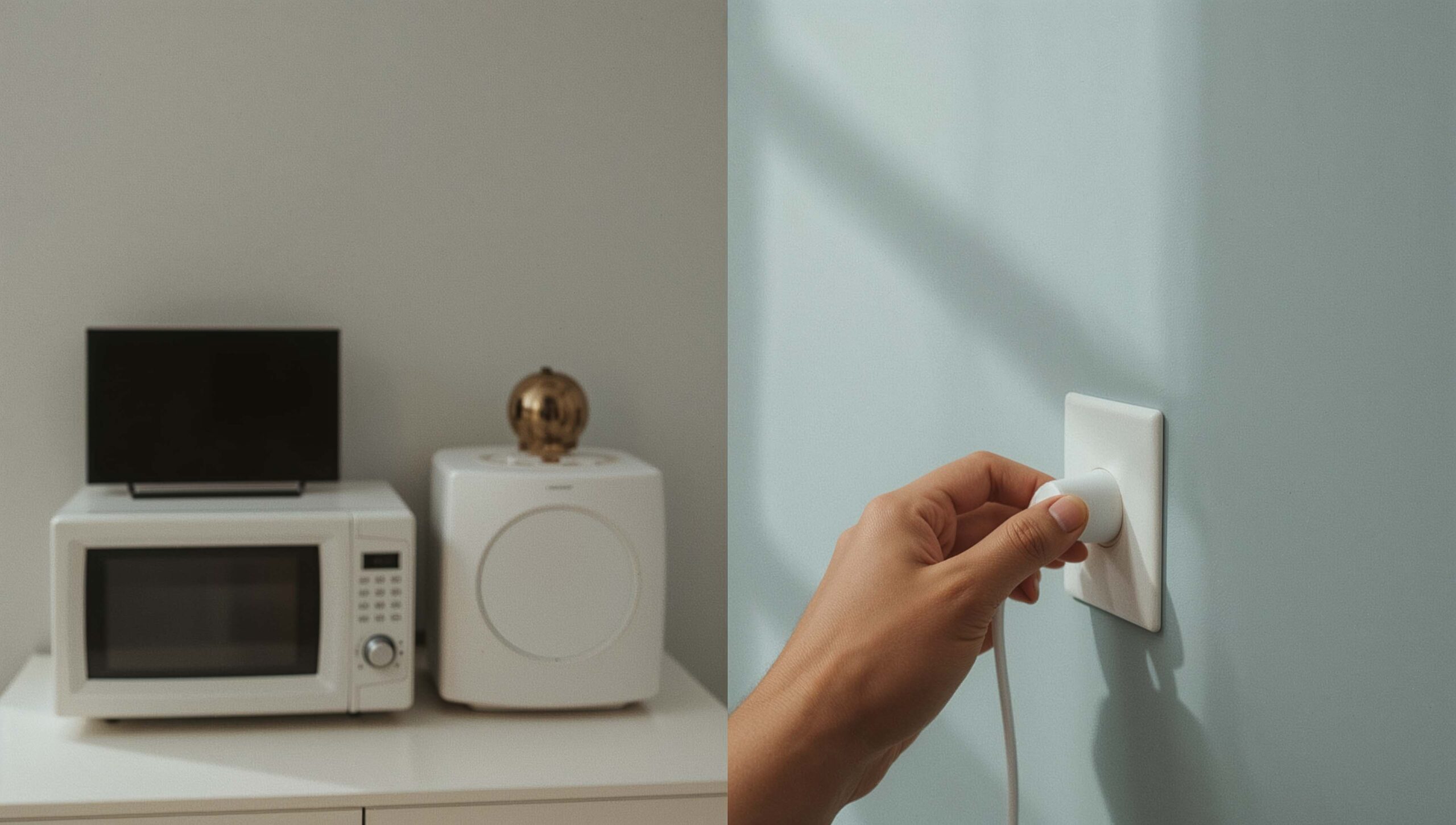
Power outages and the restoration process create voltage spikes that can destroy appliance electronic components and electrical systems. The best way to prevent damage is unplugging appliances during outages, using quality surge protectors for items you can’t unplug, and waiting 15-20 minutes after power returns before reconnecting. Installing whole-house surge protection at your main electrical panel provides the strongest defense against power surge damage, while keeping refrigerators closed preserves food safety for hours without power.
Why Power Outages Threaten Your Appliances
After three decades repairing appliances damaged by power surges, I’ve seen firsthand how a single power outage can destroy thousands of dollars’ worth of home appliances. Here’s what most homeowners don’t realize: it’s not the blackout itself that damages your appliances – it’s what happens when the power comes back on.
When your power is restored after an outage, the sudden rush of electricity creates a voltage spike that can fry circuit boards, burn out motors, and destroy sensitive electronics. I’ve repaired refrigerators with melted control boards, washing machines with burnt-out pumps, and air conditioners completely killed by surge damage – all from power failures that lasted just minutes.
At Steve Alden Appliances, we see the aftermath of power surge damage every week. The good news? Most of this damage is completely preventable. This guide will show you exactly how to protect your appliances during a power outage and safeguard your investment for years to come.
Understanding How Power Outages Damage Appliances
The Hidden Danger of Power Restoration
When downed power lines get fixed or the power grid comes back online, your electrical system experiences what we call “inrush current.” Think of it like turning on a garden hose that’s been kinked – that initial burst of water (or in this case, electricity) hits with much more force than normal flow.
This surge of electricity can deliver voltage spikes reaching thousands of volts – far beyond what your appliances are designed to handle. Modern appliances with electronic components are especially vulnerable. That’s why your microwave, dishwasher, or smart refrigerator often suffers damage, while simpler appliances like your toaster might survive just fine.
Types of Power Issues That Cause Damage
Power Surges: Quick voltage spikes that happen in milliseconds but pack enough punch to destroy electronics instantly.
Brownouts or Blackouts: When voltage drops below normal levels, motors and compressors work harder, causing overheating and premature failure.
Power Fluctuations: Rapid on-off cycling during storms creates repeated stress on electrical components.
Lightning Strikes: Direct or nearby strikes send massive surges through power lines, potentially destroying everything connected to your home’s electrical system.
Immediate Steps During a Power Outage
The Unplugging Strategy
Here’s my number one rule during any power outage: unplug everything you can. This simple action provides 100% protection against surge damage because it physically disconnects your appliances from the electrical system.
Start with your most vulnerable and expensive items:
For large appliances like refrigerators that you can’t easily unplug, flip their circuit breakers off at your electrical panel. This provides similar protection without the hassle of moving heavy appliances.
Managing Your Refrigerator and Freezer
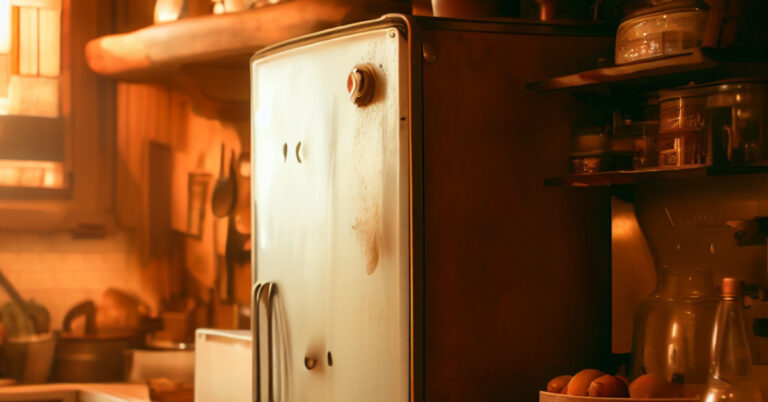
Your refrigerator presents a unique challenge during power failures. While you want to protect it from surge damage, you also need to preserve your food. Here’s the professional approach:
- Don’t unplug immediately – A brief outage might resolve quickly
- Keep doors closed – A closed refrigerator stays safe for 4 hours; a full freezer maintains temperature for 48 hours
- After 30 minutes without power – Turn off the circuit breaker to protect from surge damage
- Use ice and coolers – Transfer perishables if the outage extends beyond safe timeframes
Long-Term Protection Strategies
Installing Whole-House Surge Protection
The most effective defense against power surge damage is a whole-home surge protector installed at your main electrical panel. As a repair technician, I’ve seen these devices save homeowners tens of thousands in appliance damage. They act as your first line of defense, stopping dangerous voltage surges before they enter your home’s electrical system.
Professional installation typically costs $300-600, but considering that replacing a single damaged refrigerator can cost $2,000 or more, it’s cheap insurance. Your utility company might even offer installation discounts or rebates.
Using Surge Protectors Effectively
Not all surge protectors are created equal. Those $10 power strips from the discount store? They’re better than nothing, but barely. For real protection, look for:
Important: Never daisy-chain surge protectors or plug one into another. This creates fire hazards and actually reduces protection effectiveness.
Upgrading to Resilient Appliances
When it’s time to replace appliances, look for models with built-in surge protection. Many modern Energy Star-certified appliances include voltage surge protection as standard. These cost slightly more upfront but save money through energy efficiency and reduced repair needs.
Protecting Specific Appliance Types
HVAC Systems and Air Conditioners
Your air conditioner is particularly vulnerable because it draws massive power when starting up. After an outage:
- Turn off the thermostat immediately
- Wait 30 minutes after power restores before turning it back on
- Consider installing a dedicated surge protector for your HVAC system
Sensitive Electronics and Computers
These need special attention. Uninterruptible power supplies (UPS) provide the best protection, maintaining consistent power during brownouts and giving you time to shut down properly during blackouts. Even a basic UPS beats any surge protector for protecting valuable electronics.
Water-Related Appliances
Sump pumps, water heaters, and washing machines face unique risks. Power failures during operation can cause flooding or component damage. Install check valves on sump pumps and consider battery backup systems for critical pumps in flood-prone areas.
After the Power Returns
The Waiting Game
When the lights come back on, resist the urge to immediately plug everything back in. Your electrical system needs time to stabilize. Here’s the proper sequence:
Inspecting for Hidden Damage
Sometimes surge damage isn’t immediately obvious. Electronic components can be partially damaged, leading to failure days or weeks later. Watch for:
If you notice any of these signs, call for professional service immediately. Continuing to run damaged appliances risks complete failure or even fire.
Dealing with Your Insurance and Warranty
Documentation Is Key
If surge damage occurs despite your precautions:
- Photograph everything – Document all damaged appliances
- Keep damaged parts – Don’t throw away burnt components
- Save receipts – For repairs and replacements
- Check your insurance policy – Many homeowner policies cover surge damage
- File claims promptly – Most insurers have time limits
Understanding Coverage Gaps
Standard warranties rarely cover power surge damage unless you can prove a manufacturer’s defect. However, many surge protector manufacturers offer connected equipment warranties. Keep your surge protector receipts and registration – they could save you thousands.
Special Considerations for Your Area
Living near major landmarks or in older neighborhoods presents unique challenges. Historic districts often have aging electrical infrastructure that is more prone to power issues. Storm-prone areas near water face increased lightning strike risks. Dense urban areas may experience more frequent power fluctuations due to high demand on the power grid.
At Steve Alden Appliances, we understand local power challenges. Whether you’re downtown near municipal buildings or in suburban developments, we’ve seen how local power issues affect different neighborhoods. Our repair technicians know which areas experience frequent outages and can recommend specific protection strategies for your location.
Emergency Backup Power Solutions
Portable Generators
Generators provide backup power but require careful use to prevent damage:
Battery Backup Systems
Modern battery systems offer cleaner, quieter backup power. While expensive initially, they provide instant, automatic protection without the hassles of gas generators. They’re especially valuable for medical equipment or home offices where even brief outages cause problems.
Preventive Maintenance for Power Resilience
Regular Electrical Inspections
Faulty wiring increases surge damage risk. Have a licensed electrician inspect your system every 5-10 years, checking for:
Appliance Maintenance
Well-maintained appliances better survive power issues. Clean refrigerator coils, replace HVAC filters, and service motors regularly. Strong, efficient appliances handle power fluctuations better than struggling, dirty ones.
FAQs About Protecting Appliances During Power Outages
How long should I wait to plug in appliances after power is restored?
Wait at least 15-20 minutes for your electrical system to stabilize. This reduces strain on circuits and prevents damage from power fluctuations that often occur immediately after restoration.
Can surge protectors really prevent all damage from power surges?
Quality surge protectors significantly reduce risk but aren’t 100% guaranteed. Whole-house surge protection combined with individual surge protectors provides best results. Unplugging remains the only certain protection.
Will my homeowner’s insurance cover appliance damage from power surges?
Many policies cover surge damage, but coverage varies. Check your policy specifically for “power surge” or “electrical damage” coverage. Some require additional riders for full protection.
Should I turn off my main breaker during extended outages?
For outages lasting more than a day, yes. This protects your entire home from surge damage when power returns. Just remember to turn off individual appliance switches first to prevent overload when you restore power.
How do I know if my surge protector is still working?
Check indicator lights – most surge protectors have lights showing protection status. If lights are off or indicating “not protected,” replace immediately. Surge protectors wear out over time and after major surges.
What’s the difference between a surge protector and a power strip?
Basic power strips just add outlets without protection. True surge protectors contain components (like metal oxide varistors) that divert excess voltage. Look for UL certification and joule ratings.
Can power outages damage appliances that were turned off?
Yes, if they’re still plugged in. Surge damage occurs through the electrical connection, not whether the appliance is running. Always unplug during outages for complete protection.
How often should surge protectors be replaced?
Every 3-5 years or after any major surge event. Their protective components degrade over time. If your area has frequent power issues, replace more often.
Cost-Benefit Analysis of Protection Methods
Let me break down real costs from my repair experience:
Without Protection:
With Protection:
The math is clear: protection costs far less than even a single major repair.
Your Appliances Deserve Protection
Power outages don’t have to mean costly repairs or appliance replacement. With proper preparation and the right protection strategies, you can safeguard your valuable appliances from surge damage and power fluctuations.
Remember the basics: unplug during outages, install quality surge protection, and wait before reconnecting after power is restored. These simple steps provide peace of mind and protect your investment in home appliances and electronics.