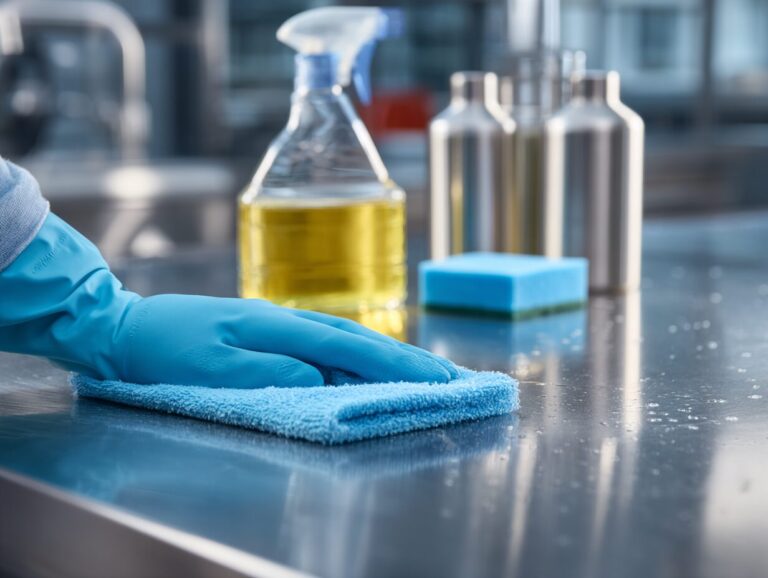

Your clothes come out of the wash expecting to smell fresh and look spotless. But what happens when they emerge with a musty smell or mysterious stains? The culprit might be lurking right inside the drum of the machine itself. Think of it like trying to wash dishes in a dirty sink – it just doesn’t work well. That’s why learning the proper way to maintain your appliance is essential for getting truly clean clothes every time.
Understanding Your Washing Machine
The Two Main Types
Before diving into the cleaning process, it’s helpful to know what you’re dealing with. Modern washers come in two main varieties: top-loading and front-loading models. Each type has its own quirks when it comes to maintenance.
What Is the Drum?
The drum is essentially the heart of your appliance – it’s that big metal container where your clothes tumble around during the wash cycle. Over time, soap residue, fabric softener, lint, and even bacteria can build up inside, creating a perfect storm of grime that affects your laundry’s cleanliness.
How to Clean a Washing Machine
Getting Started
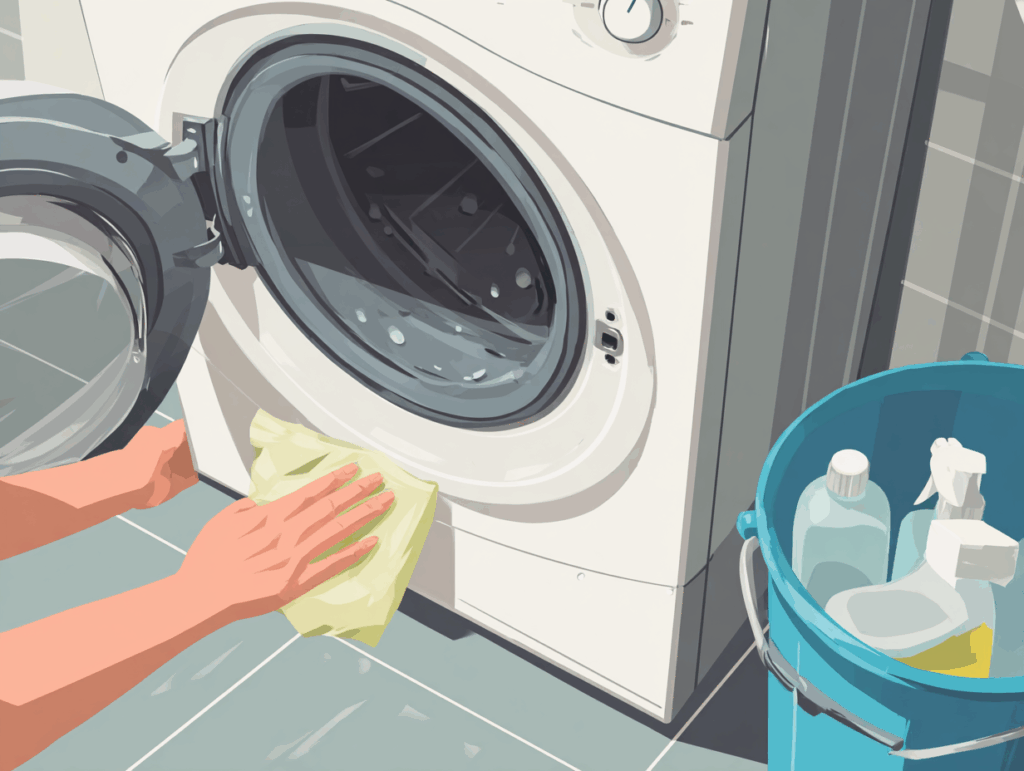
The process isn’t complicated, but doing it right makes all the difference. Start by checking your owner’s manual for any specific instructions, as some manufacturers have particular recommendations.
The Basic Approach
The general approach involves running empty cycles with cleaning agents, wiping down surfaces, and addressing problem areas like the rubber seal on front-loading models. Regular maintenance prevents major buildup, making each cleaning session quicker and more effective.
Signs It’s Time to Clean Your Washing Machine
Your appliance actually tells you when it needs attention – you just need to know what to look for. Watch for these red flags that signal it’s time for a thorough drum cleaning:
Smell-Related Signs
Visual Signs
Performance Issues
The Power of Vinegar
Why Vinegar Works
White vinegar stands as one of the most effective natural cleaners for your appliances. This kitchen staple dissolves mineral deposits, cuts through soap scum, and eliminates odor-causing bacteria. Think of it as nature’s reset button for your machine.
How to Use It
Pour 2 cups of vinegar directly into an empty drum or add it through the detergent dispenser. The acidity works like a gentle but thorough cleaning agent for your machine’s interior. Distilled white vinegar works best because it won’t leave any color or additional residue behind.
Your Trusty Washer
Lifespan and Care
Taking care of your appliance extends its lifespan significantly. A well-maintained unit can last 10-15 years, while neglected ones might fail after just 5-7 years. It’s like the difference between a car that gets regular oil changes and one that doesn’t.
Why Maintenance Matters
Regular cleaning keeps all the internal components working smoothly, from the pump to the agitator in top-load models. Think of it as giving your machine a spa day – a little pampering goes a long way.
When to Use Bleach
The Heavy-Duty Option
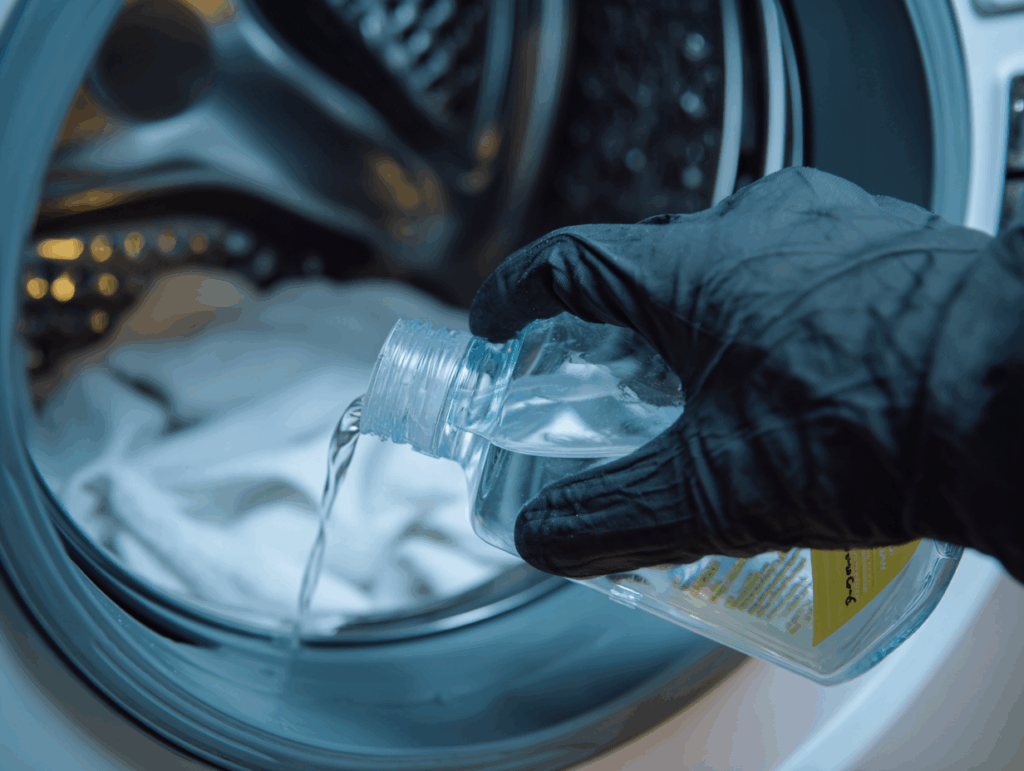
Bleach serves as the heavy-duty option for serious cleaning situations. It’s particularly effective against mold and mildew that might develop in damp areas. Think of bleach as the emergency cleanup crew – you don’t need it often, but when you do, nothing else quite does the job.
Safety First
However, it requires careful handling. Never mix it with other cleaners, especially vinegar, as this creates dangerous fumes. Add 1 cup of bleach to the drum and run a hot cycle, then follow with an additional rinse cycle to ensure no bleach remains before your next load of clothes.
The Magic of Baking Soda
Nature’s Gentle Scrubber
This pantry staple works wonders as a gentle abrasive cleaner and deodorizer. Half a cup of baking soda added directly to the drum helps scrub away stubborn buildup without scratching surfaces. It’s like using a soft eraser on your machine’s interior.
How It Works
The fizzing action when combined with water helps lift dirt from hard-to-reach corners. It’s especially useful for neutralizing acidic odors and breaking down greasy residue – imagine tiny bubbles working as microscopic cleaning crews.
Combining Vinegar and Baking Soda
The Dynamic Duo
While these two ingredients create an impressive fizzing reaction, using them together requires the right approach. It’s like a one-two punch for dirt and grime.
The Two-Step Process
Run a hot water cycle with vinegar first, then add baking soda to the drum for a second cycle. This two-step process maximizes the cleaning power of both ingredients. The vinegar tackles mineral deposits and bacteria, while the baking soda provides additional scrubbing action and deodorization.
Choosing the Right Detergent
HE vs. Regular Detergent
Using an appropriate detergent prevents many cleaning issues before they start. High-efficiency (HE) models require special low-sudsing formulas. Using regular detergent in an HE machine is like putting dish soap in a dishwasher – you’ll get way too many bubbles!
Less Is More
Using too much of any detergent – even the right kind – contributes to buildup. Follow the manufacturer’s recommendations, which usually suggest much less than you might think. Most loads only need about a tablespoon or two.
The Deep Clean Process
When You Need Extra Power
Sometimes your appliance needs more than a quick refresh. A deep clean tackles accumulated grime that regular maintenance might miss. It’s like spring cleaning for your machine.
Step-by-Step Deep Cleaning
- Remove and clean the detergent dispenser drawer if possible
- Soak it in hot water with dish soap
- Run a cleaning cycle with vinegar
- Follow with a baking soda cycle
- Finish with a plain hot water rinse
This thorough approach can restore even neglected machines to near-new condition.
Maintaining Your Tub
Daily Habits
The tub requires consistent attention to stay clean. After each load, wipe down the interior with a microfiber cloth to remove any visible lint or residue. It takes just 30 seconds but makes a huge difference.
Air Circulation Is Key
Leave the door open between uses to allow air circulation and prevent moisture buildup. This simple habit prevents most odor and mildew problems before they start. Think of it like letting your bathroom air out after a shower.
Special Care for Front Loading
The Rubber Seal Challenge
Front-load washers need extra attention due to their design. Water tends to collect in the rubber door seal, creating perfect conditions for mold growth. It’s like a tiny swimming pool for bacteria if you’re not careful.
Monthly Seal Maintenance
After every wash, use a dry cloth to wipe this area thoroughly. Once monthly, clean the seal with a solution of equal parts water and vinegar, paying special attention to the folds where debris collects.
How to Keep Your Washing Machine Fresh
Prevention Beats Correction
Prevention beats correction every time. It’s easier to stop problems before they start than to fix them later.
Simple Daily Steps
- Remove wet clothes promptly – letting them sit creates musty odors
- Use the correct amount of detergent for your water hardness and load size
- Run a maintenance cycle monthly, even if the drum looks clean
The Scrub Technique
When Manual Cleaning Is Needed
For stubborn stains or buildup, manual scrubbing becomes necessary. Use a soft-bristled brush or non-abrasive sponge with your chosen cleaning solution.
Focus Areas
Focus on areas where you see visible buildup, working in circular motions. The agitator in top-loading models often needs special attention, as fabric softener and detergent can cake on its surfaces like dried paint.
Understanding Top Load Models
Unique Features
Top-load machines have their own maintenance needs. The agitator can trap lint and develop soap scum buildup. It’s like a tall tower in the middle of your machine that needs its own cleaning routine.
Hidden Problem Areas
Remove the fabric softener dispenser cap if your model has one, and clean underneath. Check the rim where the tub meets the outer casing – this area often collects forgotten tissues and small items that contribute to odors.
Cleaning a Front Load
Efficiency Comes with Responsibility
Front-load models excel at efficiency but require vigilant maintenance. Their horizontal drum design means water doesn’t drain as completely as in top-loaders. Picture a bowl lying on its side versus standing upright – some water always stays in the sideways bowl.
Maximum Temperature Cleaning
Run cleaning cycles at the highest temperature setting your model allows. Pay extra attention to the detergent drawer and rubber gasket, as these areas trap moisture and develop problems quickly without regular care.
Effective Cleaning Tips
Professional Recommendations
Professional appliance technicians recommend these proven strategies:
Frequency Guidelines
Water Quality Matters
Consider your water quality – hard water areas need more frequent cleaning due to mineral buildup. It’s like how a kettle in a hard water area gets limescale faster.
Front Load Washers Specifics
The Efficiency Trade-off
These high-efficiency models save water and energy but need special care. Their airtight seal, while great for efficiency, traps odors if not properly maintained. It’s like keeping a lunchbox sealed tight – great for keeping things in, but can get smelly if forgotten.
Detergent Considerations
Use only HE detergent and follow the amount guidelines carefully. The lower water usage means less dilution of cleaning products, so residue builds up faster with overuse.
Maintaining Your Front-Loading Washing Machine
Weekly Hot Water Cycles
Beyond regular cleaning, these models benefit from specific maintenance routines. Run a hot cycle with no clothes weekly if you typically wash in cold water. This helps dissolve accumulated detergent and fabric softener.
The Hidden Filter
Check and clean the drain pump filter monthly – it’s usually behind a small door at the bottom front of the machine. Many people don’t even know it exists!
How to Use a Washing Machine with Bleach
Safety Protocol
When using bleach for cleaning, safety comes first. Ensure good ventilation and wear gloves. Open a window or turn on a fan – bleach fumes aren’t something you want to breathe in.
The Bleach Process
- Add 1 cup to an empty drum
- Select the hottest water setting
- Run a complete cycle
- Run an additional rinse cycle with just water
- Never use bleach if you’ve recently used vinegar
Washing Machine Filter Maintenance
Finding the Filter
Many people don’t realize their appliance has a filter that needs regular cleaning. In front-loaders, it’s typically located behind a small door near the bottom. It’s like finding a secret compartment in your machine!
Cleaning Process
Place towels nearby and have a shallow pan ready – water will drain out when you open it. Remove trapped items, rinse the filter under hot water, and replace it securely. You might be surprised what you find – coins, buttons, and lots of lint!
Cleaning a Top Loader
The Fill and Soak Method
Start by filling the washer tub with hot water to its highest level. Add 4 cups of vinegar and let the machine agitate for a minute, then pause the cycle and let it soak for an hour.
While You Wait
While soaking, dip a cloth in the vinegar water and clean around the top rim and agitator. After soaking, complete the cycle, then run another hot cycle with half a cup of baking soda.
Understanding Your Washer Tub
Material Matters
The tub endures constant exposure to dirt, detergent, and moisture. Different materials – stainless steel, porcelain, or plastic – each have specific care requirements.
Know Your Tub Type
The Machine Clean Cycle
Built-In Convenience
Many modern models include a dedicated self-clean cycle. This feature uses higher water temperatures and extended wash times to thoroughly clean the drum. It’s like having an automatic cleaning assistant built right in!
Using the Self-Clean Feature
If your model has this option, use it monthly with either commercial cleaner or natural alternatives. The cycle typically takes 2-3 hours but requires no manual effort – just press the button and walk away.
Caring for Your Washing Machine Door
More Than Just Glass
The door area accumulates surprising amounts of dirt and lint. It’s like the frame around a picture – often overlooked but important for the overall appearance.
Different Door Types
For top-loaders, clean around the lid and hinges where dust settles. Front-loader doors need attention to both the glass and the seal. A solution of warm water and dish soap works well for the glass, while the seal requires more targeted cleaning.
Top-Loading Washing Machine Specifics
Advantages of Vertical Design
These traditional models offer easier maintenance in some ways. You can pause mid-cycle to add forgotten items or extra cleaner. The vertical drum design naturally drains better, reducing mildew risk.
The Agitator Challenge
However, the agitator mechanism requires special attention, as it has moving parts where residue accumulates. Think of it as cleaning a mixer – you need to get into all the nooks and crannies.
Signs Your Washing Machine Needs Cleaning
Beyond the Obvious
Beyond obvious odors, watch for subtler signs that indicate cleaning is overdue.
Performance Clues
Address these early signs to prevent bigger problems.
The Borax and Washing Method
Another Natural Option
Borax offers another natural cleaning option. Add 1/4 cup directly to the drum with hot water. Its mild alkalinity helps break down acidic odors and stains.
Best Uses for Borax
It’s particularly effective in hard water areas, as it softens water while cleaning. However, avoid using it on delicate machine parts or rubber seals, as it can cause deterioration over time.
Creating Your Cleaning Solution
DIY Cleaning Recipes
Mix your own powerful cleaner using common household items:
Basic Paste Recipe
Liquid Spray Solution
How to Clean Your Washer Effectively
Building a Routine
Establish a cleaning routine that fits your schedule. It’s like brushing your teeth – easier when it’s a habit.
Making It Easy
Cleaning a Front-Load Washer Properly
The Complete Process
Success with these models requires attention to detail. Think of it as a checklist for your machine’s health.
Step-by-Step Guide
- Check the drain pump filter
- Clean the detergent drawer thoroughly
- Run a cycle with 2 cups of vinegar
- Follow with a baking soda cycle
- Wipe all surfaces dry
- Leave the door open to air out
Using Tub with Vinegar
The Power of Soaking
Let vinegar do the heavy lifting by allowing adequate soak time. It’s like marinating – the longer it sits, the better it works.
Optimal Soaking Method
Fill your top-loader with hot water and add 4 cups of vinegar, or use 2 cups in a front-loader. Pause the cycle after initial agitation and let it sit for 30-60 minutes. This extended contact time allows the acid to break down mineral deposits and soap scum effectively.
Time-Saving Maintenance Tips
Small Habits, Big Results
Small daily habits prevent major cleaning sessions. It’s the difference between wiping up a spill right away versus scrubbing a stain later.
30-Second Tasks That Save Hours
These quick tasks save significant time and effort in the long run.
Professional Cleaning Recommendations
Expert Guidelines
Appliance experts suggest cleaning your drum every 30 wash cycles or monthly, whichever comes first.
Special Circumstances
Natural Cleaning Alternatives
Beyond the Basics
Beyond vinegar and baking soda, several natural options work well.
Creative Natural Solutions
Maintaining Sparkling Clean Results
Keeping It Clean
Once you’ve achieved a clean drum, keeping it that way becomes easier. It’s like maintaining a clean room – much easier than cleaning a messy one.
Maintenance Washes
Run a maintenance wash monthly using hot water alone if you typically use cold cycles. This helps flush away any beginning buildup before it becomes a problem.
Ensuring Clean Clothes Every Time
The Direct Connection
A clean machine directly impacts laundry results. It’s simple: a clean machine equals clean clothes.
Benefits You’ll Notice
Keeping Your Machine Dry
Moisture Management
Moisture management prevents the most common problems. Think of your machine like a sponge – if it stays wet, it gets smelly.
Drying Strategies
After the final load of the day, wipe down interior surfaces and leave the door open overnight. In humid climates, consider running a fan near the machine. For front-loaders with curious pets or children, prop the door slightly open with a towel.
Working with New Washing Machines
First-Time Setup
New appliances benefit from an initial cleaning before first use. Manufacturing residues and testing chemicals may remain in the drum.
Breaking In Your Machine
Run an empty hot cycle with 1 cup of vinegar to remove these substances. This ensures your first load comes out truly clean and establishes good maintenance habits from the start.
Caring for Both Top and Front Loaders
Universal Maintenance
While each type has specific needs, some maintenance applies universally.
Annual Checkups
These steps benefit any model regardless of configuration.
Final Thoughts on Maintenance
Regular drum cleaning represents a small investment of time that yields significant returns. Your clothes smell fresher, look better, and last longer when washed in a clean machine. The appliance itself operates more efficiently, uses less energy, and lasts years longer with proper care.
Taking care of your appliance doesn’t require special skills or expensive products. Simple household items like vinegar and baking soda, combined with regular attention, keep your machine running like new. By following these straightforward guidelines and establishing consistent maintenance routines, you ensure years of reliable service from one of your home’s hardest-working appliances.
Remember: a little prevention today saves a lot of correction tomorrow. Your washing machine works hard for you – return the favor with regular care, and it’ll keep your clothes fresh and clean for years to come.