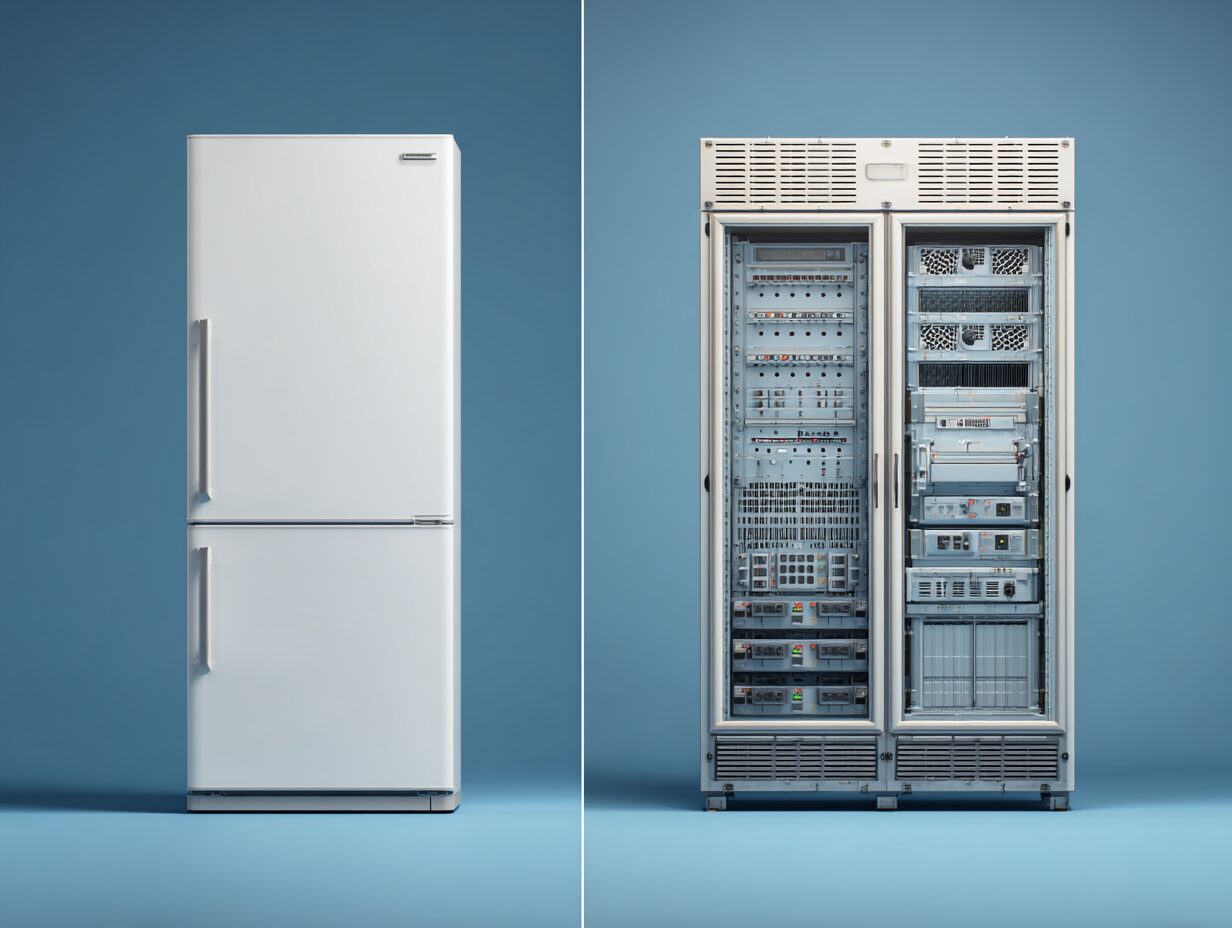
Home refrigerators are simpler machines that most appliance repair folks can fix in a few hours. Commercial refrigerators like the big ones in restaurants are different. They need special technicians who know big industrial equipment. When a business fridge breaks, it’s an emergency. Thousands of dollars of food could go bad. When your home fridge breaks, it’s annoying but you can deal with it for a day or two.
Your refrigerator just stopped working. You want it fixed now. But here’s what most folks in Grand Prairie don’t know. Fixing your kitchen fridge and fixing the big cooler at that restaurant near Joe Pool Lake are totally different jobs. Steve Alden Appliances has been fixing both types throughout the Dallas-Fort Worth area, and we’ll help you understand why these repairs are so different.
The Basic Difference: Your Kitchen vs. Their Kitchen
Think about how you use your home refrigerator. You open it maybe 10 or 15 times a day. It holds a week’s worth of groceries for your family. Pretty simple, right?
Now picture the commercial fridge at that busy restaurant near AT&T Stadium. That door opens hundreds of times every single day. Inside, there are thousands of dollars’ worth of food that could spoil if the temperature goes up even a few degrees. The restaurant can’t just run to the store if something goes wrong – they’d have to close down.
This basic difference changes everything about how these machines work and how we fix them.
Size and Power Differences
Your Home Refrigerator
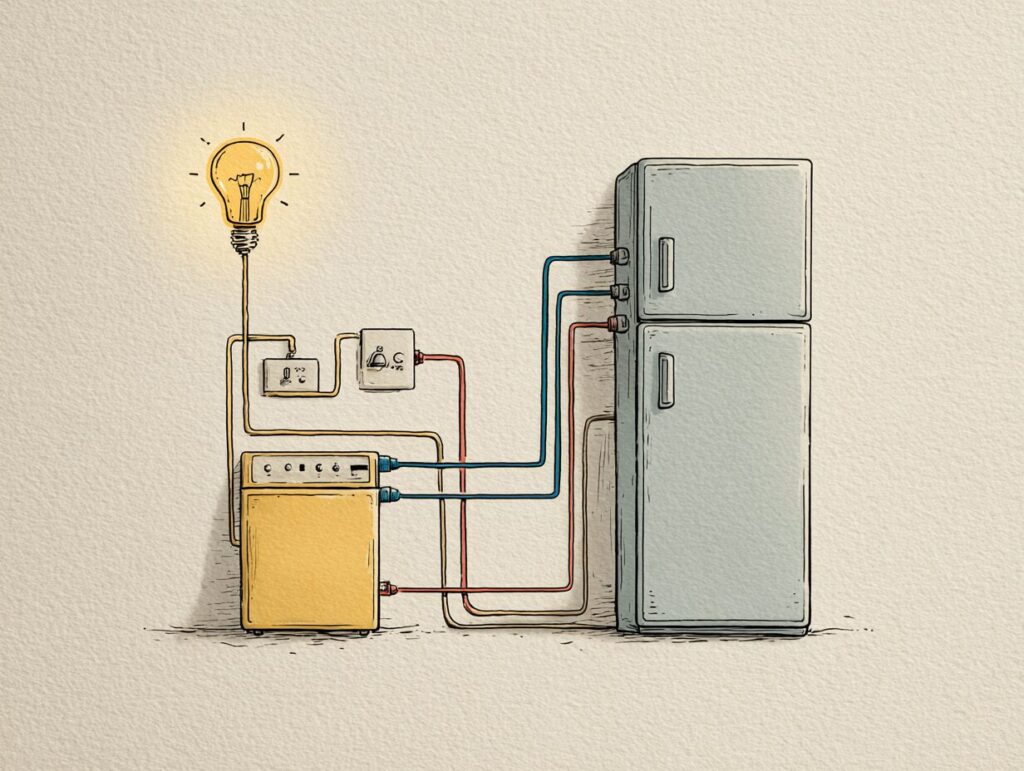
Your kitchen fridge is probably about 6 feet tall and 3 feet wide. It has one compressor (that’s the motor that makes everything cold) and uses about as much power as a few light bulbs. The inside has adjustable shelves, maybe a water or ice maker, and compartments for your fruits and veggies.
These residential models are built to run quietly in your comfortable home. They don’t need to work too hard because your kitchen stays around 70 degrees, and you’re not opening the door every five minutes.
Commercial Refrigeration Units
Now, commercial refrigerators are different animals. Some are walk-in coolers – literally entire rooms you can walk into. Even the “small” ones you see behind the counter at convenience stores pack way more cooling power than anything in your home.
These commercial systems use heavy-duty parts built to last. They often have multiple compressors working together. Why? Because they need to stay cold even when the kitchen is 90 degrees and someone’s opening the door every 30 seconds during the dinner rush.
Here’s a number that might surprise you: while your home fridge uses about 100-400 watts of power, a commercial unit might need several thousand watts. That’s like running 10 home refrigerators at once!
What’s Inside: Simple vs. Complex
Let’s peek under the hood and see what makes these machines tick.
Inside Your Home Refrigerator
Your home refrigerator keeps things simple. One compressor pumps refrigerant through the system. Refrigerant is the chemical that makes things cold. A basic thermostat controls the temperature. It’s like the thermostat for your home’s heat and air. There’s a timer that defrosts the freezer every so often. Nothing fancy. The coils on the back or bottom let out heat. The whole thing is made to run quietly in your home.
When something breaks, technicians can usually figure it out pretty fast. There aren’t that many parts that can go bad. After years of making these, companies have gotten really good at it. Home fridges are reliable machines that just work.
Inside Commercial Equipment
Commercial refrigeration systems are way more complex. They have industrial compressors built to run all day, every day. Instead of simple thermostats, they have computers controlling temperature. These computers watch different areas to make sure every spot stays the right temperature. Many have special fast-cooling features. This quickly brings hot food down to safe temperatures. That’s important for food safety.
Everything in these machines is built tough. Stainless steel outside can handle the abuse of a busy kitchen. Strong hinges don’t break when doors open thousands of times a week. Heavy-duty seals keep cold air in despite constant use. When these complex systems break, you need a technician who really knows their stuff.
When Time Really Matters
Here’s where the difference between residential and commercial repair really shows up.
When Your Home Fridge Breaks
Sure, it’s frustrating when your refrigerator stops working. You might lose some food – maybe $200 or $300 worth. You’ll eat out more for a couple of days. Maybe you’ll borrow space in your neighbor’s fridge or use a cooler with ice.
We offer same-day service at Steve Alden Appliances because we know you want it fixed fast. But honestly? If you have to wait until tomorrow, you’ll manage.
When a Commercial Fridge Breaks
For a business, a broken commercial refrigerator is a five-alarm emergency. Here’s why:
Every hour that fridge is down, the restaurant is losing money. They can’t serve food if they can’t keep it cold. If the temperature rises too much, they have to throw everything away – that could be thousands of dollars of inventory. Plus, if the health inspector shows up and finds warm food, they could shut the place down.
That’s why commercial refrigeration repair companies offer 24/7 emergency service. When a restaurant’s walk-in cooler dies on a busy Saturday night, they need help NOW.
Who Can Fix What? Understanding Technician Training
Not every repair person can fix both types of refrigerators. Here’s why.
People who fix home refrigerators need about a year of training. They learn about your home’s electrical system. They study how appliances work. They get to know brands like Whirlpool, GE, Samsung, and LG. They learn to work in your home without making a mess. Customer service matters as much as fixing things.
Commercial refrigeration technicians need way more training. The government requires special certification to handle all that refrigerant. It’s called EPA Section 608. They work with dangerous electrical systems that can cause harm if you’re not familiar with the risks. They have to know the health department rules. Food safety laws. Workplace safety rules.
These folks train on restaurant equipment most people never see. Many start with home appliances and work up to commercial over the years. It’s like comparing your family doctor to a heart surgeon. Both are doctors. But one has special training for harder jobs.
Let’s Talk Money: Repair Costs
Nobody likes surprise repair bills, so let’s break down what you can expect to pay.
Home Refrigerator Repair Costs
Good news for homeowners – residential repairs usually won’t break the bank:
- Most parts are made by the millions, so they’re affordable
- A typical repair takes 1-3 hours
- Common fixes like replacing a door seal might cost $150-$300
- Even big repairs like a new compressor usually stay under $1,000
Why so reasonable? Because home refrigerator parts are everywhere. Your technician can usually get what they need the same day from a local supplier.
Commercial Refrigeration Repair Costs
Commercial repairs are a bigger investment:
- Parts might need to be special-ordered
- Repairs can take many hours or even days
- Emergency service costs extra (but the business can’t wait)
- A commercial compressor replacement might run $2,000-$5,000
Sounds expensive, right? But remember, that commercial unit is protecting thousands of dollars of inventory. If the repair saves the food from spoiling, it pays for itself.
Keeping Things Running: Maintenance Differences
Want to avoid repairs? Regular maintenance is key – but how often depends on what kind of refrigerator you have.
Taking Care of Your Home Refrigerator
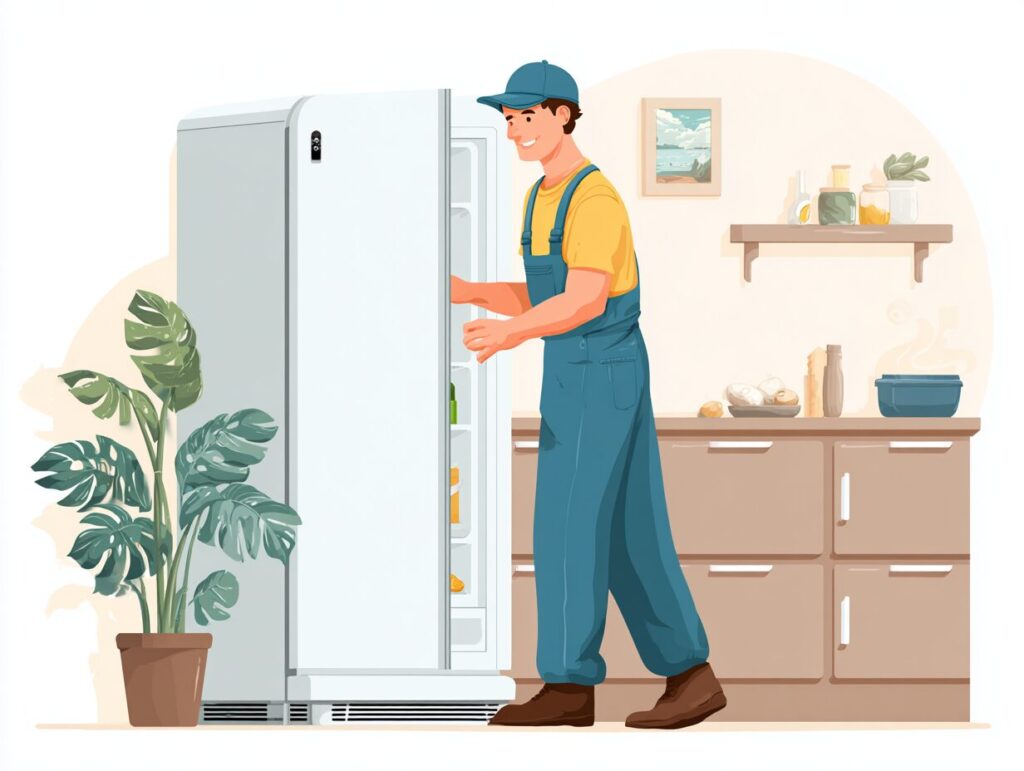
Taking care of your home fridge is easy. Twice a year, pull it out from the wall. Vacuum the dusty coils on the back or bottom. This one thing prevents many problems. It also lowers your electric bill. Check the door seal by closing it on a dollar bill. If the bill slides out easily, you need new seals. Change the water filter every six months if you have one. Wipe down the inside every month. Make sure it’s level so the door closes right.
Commercial Refrigeration Maintenance
Commercial refrigerators need way more care. They need a professional inspection every month. Not just when something seems wrong, staff must check temperatures every day. Health departments require it. They have to write it down. The coils need cleaning four times a year. Kitchens are greasy. That grease clogs things up fast.
Most businesses sign maintenance contracts. It’s like having a repair person on call. They come regularly. They catch problems early. They keep records for health inspections. This costs money up front. But it saves thousands later.
Most of this you can do yourself. Call for professional service if something seems wrong, but otherwise, a yearly check-up is plenty.
Power Bills: Energy Use Comparison
Your refrigerator affects your electric bill, but there’s a big difference between home and commercial units.
Home Energy Use
Modern home refrigerators are actually pretty efficient. Yours probably uses about 350-780 kilowatt-hours per year. That’s maybe $50-$100 on your annual electric bill. Newer ENERGY STAR models use even less.
Why so efficient? Because your home stays a comfortable temperature, and the fridge doesn’t have to work too hard.
Commercial Energy Needs
Commercial refrigerators are energy hogs, but for good reason:
- They might use 17,000 kilowatt-hours per year (20 times more than your home fridge!)
- Kitchen temperatures can hit 100 degrees
- Doors open constantly
- They can never shut down for a break
Yes, they use more energy, but they’re doing a much bigger job. It’s like comparing a pickup truck’s gas mileage to a sedan – the truck uses more gas, but you need it to haul heavy loads.
Rules and Regulations: What’s Legal?
Both types need to follow safety rules, but commercial units face way more regulations.
Home Refrigerator Rules
Your home fridge has to meet basic safety standards. Electrical codes prevent fires. Refrigerant rules protect the environment. Basic safety guidelines keep your family safe. When you buy a new fridge, it’s already approved. You don’t worry about it. Any good technician knows these rules.
Commercial Refrigeration Regulations
Businesses deal with tons of rules. Health departments set food storage temperatures. They require daily logs to prove food stayed cold. OSHA watches workplace safety. The EPA has strict refrigerant rules. Break them and you pay big fines. Fire departments have their own codes. Even disability laws affect how fridges get installed in public places.
This is why commercial technicians need so much training. They’re not just fixing machines. They’re making sure businesses follow all these rules. One mistake could mean fines. Failed inspections. Even closing down.
Common Problems: What Goes Wrong?
Different use means different problems. Here’s what typically breaks:
Your Home Fridge Problems
Different use means different problems. Home refrigerators usually have warning signs before they fail. The ice maker acts up first. It’s the most complex part. It might make weird noises. Make hollow ice cubes. Or just stop working. Temperature problems show up as milk going bad early. Ice cream that won’t stay hard. This usually means the thermostat is failing.
Door seals wear out slowly. The rubber gets old and won’t seal tight. Water pools inside or under the fridge when the defrost drain clogs. It’s annoying but easy to fix. Strange noises mean something’s wearing out. Maybe the compressor. Maybe a fan. These problems happen slowly. You have time to call for service before things completely break.
Commercial Refrigeration Issues
Commercial fridges face harder problems. Compressors burn out from running non-stop. Especially in hot Texas summers. Coils ice up from kitchen humidity. All that cooking and dishwashing makes lots of steam. Door hinges break from rough use during busy times. Temperature controls go bad from all the vibration and heat.
Refrigerant leaks happen from constant shaking. Fan motors die from running in hot, greasy air. These problems happen fast. One minute everything’s fine. Next minute, alarms are going off. It’s crisis time.
Finding the Right Repair Service
Choosing the right repair service makes all the difference.
For Your Home
For your home in Grand Prairie, look for licensed appliance repair companies. Check online reviews from your neighbors. Real people who used them. Make sure they fix your brand. Some only work on certain ones. Ask about warranties. Good companies guarantee their work. Same-day service helps when your food’s going bad.
Steve Alden Appliances has fixed fridges all over Grand Prairie for years. From homes near Mountain Creek Lake to houses by Lynn Creek Park. We know these machines. We respect your home.
For Your Business
Businesses need different things. You need commercial refrigeration experts. They must offer 24/7 emergency service. Breakdowns don’t wait for business hours. They must know health codes. Food safety rules. Look for companies with maintenance programs. They should get parts fast.
Restaurants all over Dallas-Fort Worth trust professional commercial services. One mistake could cost thousands or shut them down.
What Downtime Really Costs
Let’s put this in perspective with real numbers.
When Your Home Fridge Dies
Here’s what you’re looking at:
- Maybe $200-$400 in spoiled food
- Eating out for a few days (adds up quick!)
- The hassle of shopping more often
- Using coolers and ice
Annoying? Yes. End of the world? No.
When Commercial Refrigeration Fails
For a business, it’s a disaster:
- Can’t serve customers = no money coming in
- Might lose $5,000+ in spoiled inventory
- Risk of health code violations and fines
- Angry customers who might not come back
- Possible temporary closure
For a busy restaurant, one day without refrigeration could mean $10,000 or more in losses. That’s why they pay for emergency service – it’s actually cheaper than being closed.
New Technology in Refrigeration
Technology is changing how we fix and maintain refrigerators.
Smart Features in Home Fridges
New home refrigerators can connect to your phone. They send alerts when something’s wrong. Like if you left the door open. Or if it’s getting too warm. They can tell you exactly what’s broken. No more guessing. Some can even call for service themselves.
This is great for you. But technicians need to know computers now. Not just refrigeration. They might update the software. Fix internet connections. It’s not just mechanical stuff anymore.
Commercial Tech Advances
Commercial refrigeration is even fancier. Managers can check temperatures from home. They get phone alerts at 2 AM if something’s wrong. Computers track inventory. They predict when parts will fail. Then you fix them before they break. Temperature logs go to the cloud. No more paper logs for inspectors.
These systems are powerful. But complex. Technicians need to know mechanics and computers both.
Weather Matters: Texas Heat and Your Refrigerator
Living in Grand Prairie means dealing with Texas heat, and that affects your refrigerator.
Your Home Fridge in Summer
During hundred-degree summers, your home fridge works harder. The kitchen gets warm despite air conditioning. The compressor runs more. Your ice maker can’t keep up with cold drink demands. Kids open the door constantly looking for something cold. Your electric bill goes up.
Summer heat makes small problems bigger. Weak door seals that worked in spring fail when it’s hot. A tired compressor might finally quit. That’s why spring is perfect for maintenance. Fix small stuff before summer makes it worse. Clean coils and good seals help when it’s hot.
Commercial Units Year-Round
Commercial refrigeration never gets a break in Texas. Kitchen temperatures hit 110 degrees in summer. Holiday times mean packed coolers. Special events at nearby AT&T Stadium create sudden rushes. Equipment gets pushed past its limits.
Businesses can’t wait for cool weather to fix things. There’s never a slow time in food service. They need year-round maintenance contracts. It’s the only way to prevent disasters.
Making the Right Choice
Now you understand the difference between commercial and residential refrigerator repair. Your home fridge needs a good technician who knows home appliances. Who works clean in your house. Commercial equipment needs specialists. They must know complex systems. Health codes. And understand that every minute matters for businesses.
Your Questions Answered
Can the person who fixes my home fridge also fix restaurant refrigerators?
Usually not. It’s like asking if someone who fixes cars can also fix semi-trucks. Some can do both, but most specialize in one or the other. Commercial refrigeration needs extra training and certifications.
Why does it cost so much more to fix commercial refrigerators?
Three reasons: the parts cost more, repairs take longer, and technicians need special training. Plus, businesses usually need emergency service, which costs extra.
How often should I service my refrigerator?
A: Home fridges need professional service once a year (unless something breaks). Commercial units need monthly professional maintenance plus daily checks by staff.
My small coffee shop has a regular home fridge. Is that okay?
Probably not. Health departments usually require commercial-grade equipment for businesses. Plus, home fridges aren’t built for commercial use – they’ll break down fast.
What should I do if my refrigerator stops cooling at 2 AM?
For your home, move perishables to a cooler with ice and call in the morning. For a business, call emergency commercial refrigeration repair immediately – every minute counts.
How do I know if a technician is qualified?
Ask about licensing and certification. For commercial work, they need EPA Section 608 certification. Check reviews and ask for references from similar businesses.
Is a maintenance contract worth it?
For homes, it’s optional but nice to have. For businesses, it’s essential. Regular maintenance costs way less than emergency repairs and spoiled inventory.
What brands do you work on?
We service all major residential brands like Whirlpool, GE, Samsung, LG, and more. For commercial work, we handle most restaurant equipment brands.
Get Your Refrigerator Fixed Right
When you need refrigerator repair in Grand Prairie, TX, you want someone who knows what they’re doing. Steve Alden Appliances has been serving the Dallas-Fort Worth area with both residential and commercial refrigeration repair for years. We understand the difference between fixing the fridge in your home near Grand Prairie Premium Outlets and repairing the walk-in cooler at a downtown restaurant.
Call us at 682-300-9387 for fast, professional service. We offer same-day appointments because we know a broken refrigerator can’t wait. Whether it’s your home appliance or commercial equipment, our trained technicians will get your refrigeration working right.