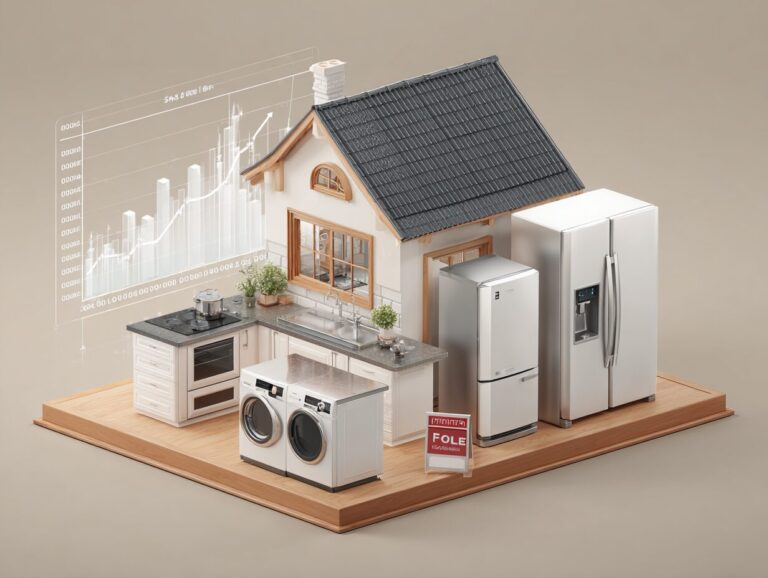
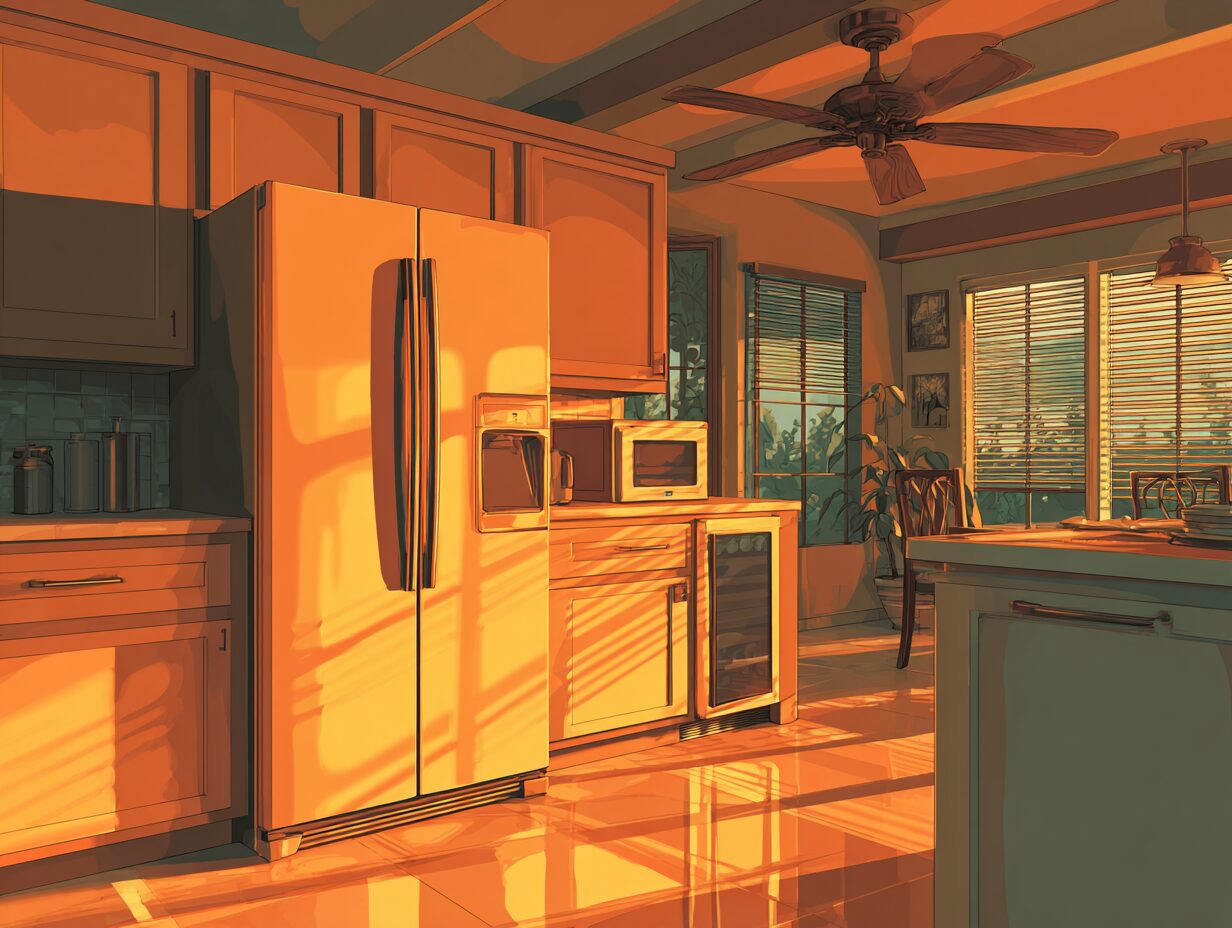
Texas heat makes your refrigerator work much harder. When it’s over 80°F outside, the fridge’s compressor can work 25-50% harder in overtime, using up to 50% more energy in a 90°F kitchen. This means higher electric bills, faster wear on parts, and a risk of your food spoiling. Keeping your refrigerator clean, placing it away from heat sources, and taking care of it can save money on energy conservation and repairs for people in Grand Prairie, Texas.
The Texas Heat Problem for Fridges
When Texas gets super hot, often over 100°F, from Dallas to Grand Prairie, your home appliance like the refrigerator struggles. Your refrigerator works all the time to keep food cold, fighting against the intense heat. This fight doesn’t just raise your energy bills—it can also shorten the shelf life of your food and lead to the failure of your refrigerator sooner.
If you live near places like Joe Pool Lake or Epic Waters Indoor Waterpark in Grand Prairie, knowing how heat affects your refrigeration system is super important. Your refrigerator and air conditioning system, part of your broader heating, ventilation, and air conditioning (HVAC) system, work together to keep your home comfortable and your food safe in the challenging Texas climate.
Why Heat Makes Your Fridge Struggle

Your refrigerator cools food by using a process called vapor-compression refrigeration, which relies on a special liquid called refrigerant. It moves heat from inside the refrigerator to outside through a heat exchanger like the condenser (heat transfer) unit. But when the room temperature is high, like 95°F in a Texas kitchen, it’s harder to push that heat out. It’s like trying to cool something with warm water—it just doesn’t work well.
The main part of your refrigerator, the compressor, works extra hard during a heat wave. It’s like the heart of the refrigeration system, pumping to maintain the right temperature. When it’s super hot, the compressor runs almost all the time in overtime, using more energy and wearing out faster, increasing the risk of failure. Studies show that for every degree over 70°F in your kitchen, your refrigerator uses about 2.5% more energy. So, in a 90°F kitchen, it could use 50% less efficiency and 50% more power!
Parts of Your Fridge Affected by Heat
Condenser Coils: The Heat Fighter
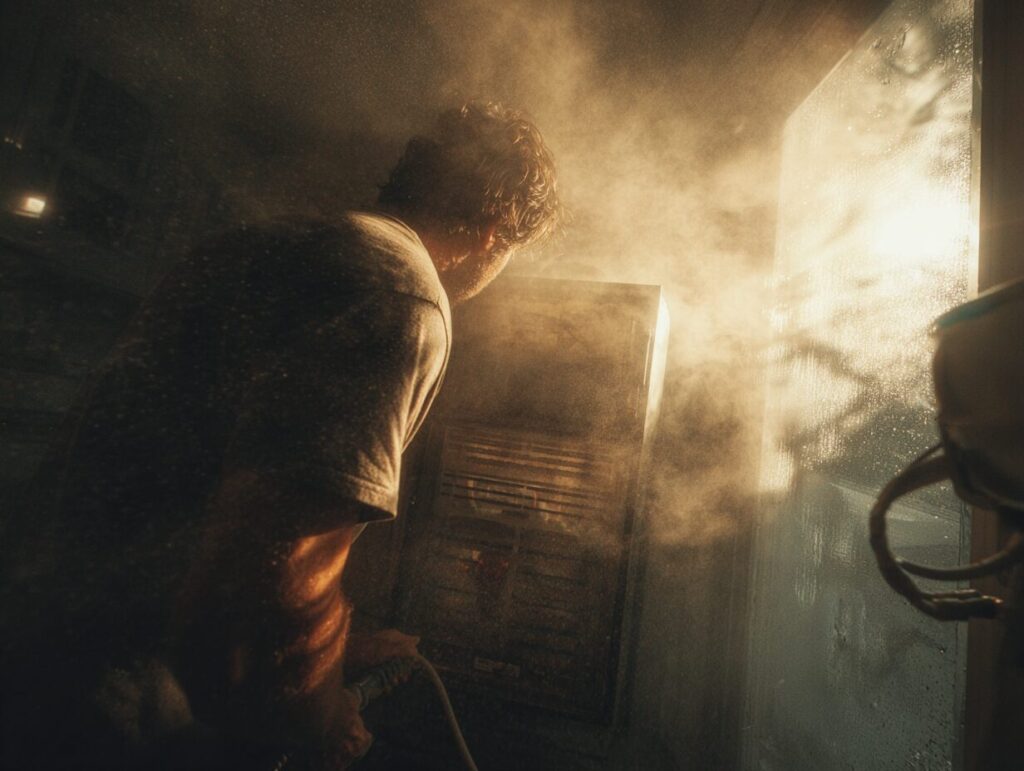
The condenser (heat transfer) coils, usually at the back or bottom of your refrigerator, push out heat. In Texas heat, sometimes over 100°F, they struggle. Dust can build up on them, especially with increased fan (machine) operation, making it even harder to get rid of heat. If they can’t work well, your refrigerator uses more energy and might face failure, lowering its overall efficiency.
Thermostat: Keeping the Right Temperature
Your refrigerator’s thermostat, or even a smart thermostat in newer models, helps keep the inside at the right temperature. But in extreme heat, it’s hard to maintain a steady temperature. The refrigerator might turn on and off a lot, and the temperature inside can change, which isn’t good for your food or its shelf life.
Evaporator Fan: Moving Cold Air
This fan (machine) moves cold airflow inside your refrigerator. When it’s hot and you open the door, warm air rushes in. The fan (machine) has to work harder to keep everything at a cooler level, especially during Texas summers, to prevent frost buildup and maintain efficiency.
Energy Costs and Money Impact
In the hot Texas summer, refrigerators in Grand Prairie homes can cost 25-50% more to run due to the heat. Normally, a refrigerator might cost $15-18 a month to run in a cool 70°F kitchen. But in a hot 90°F kitchen, it could cost $23-28 a month. That adds up over time, especially if your refrigerator faces failure more often in the heat wave conditions.
Compared to other home appliance items like a microwave oven, refrigerators use way more energy because they’re always on. Keeping your kitchen at a lower temperature with air conditioning or a ceiling fan can help your refrigerator use less power, supporting efficient energy use across your home in this tough climate.
Where to Put Your Fridge
Where you place your refrigerator in your kitchen matters a lot in Texas heat. Don’t put it near hot things like ovens, a microwave oven, or sunny windows. Even these nearby sources can raise the temperature and lower efficiency.
Tips for Placement:
– Keep it at least 12 inches away from hot home appliance items.
– Don’t put it near windows with lots of sun to avoid extra heat.
– Make sure it’s not near warm air vents from your heating, ventilation, and air conditioning system.
Good airflow in your kitchen helps too. Using a ceiling fan mounted on the ceiling can lower the kitchen temperature by 4-6°F, which makes your refrigerator work less hard and saves energy, contributing to energy conservation.
Taking Care of Your Fridge in Hot Weather
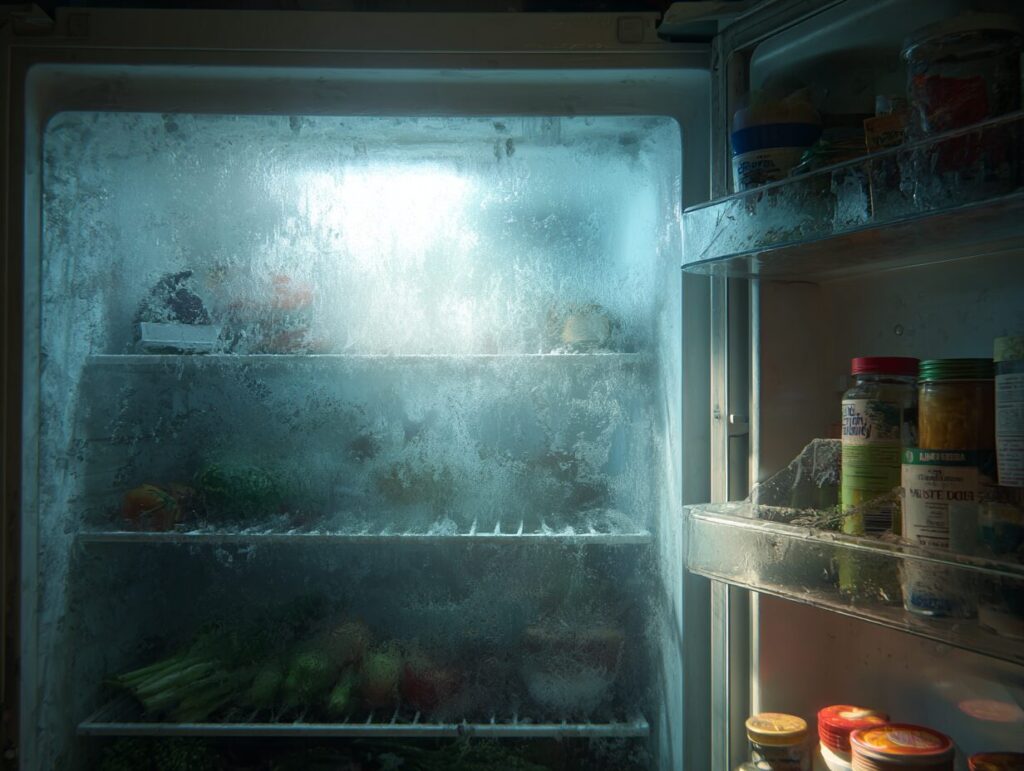
Cleaning the Coils
In Texas, dust and heat make the condenser (heat transfer) coils dirty fast. Clean them every 3 months, or every month in summer, to maintain efficiency. Here’s how:
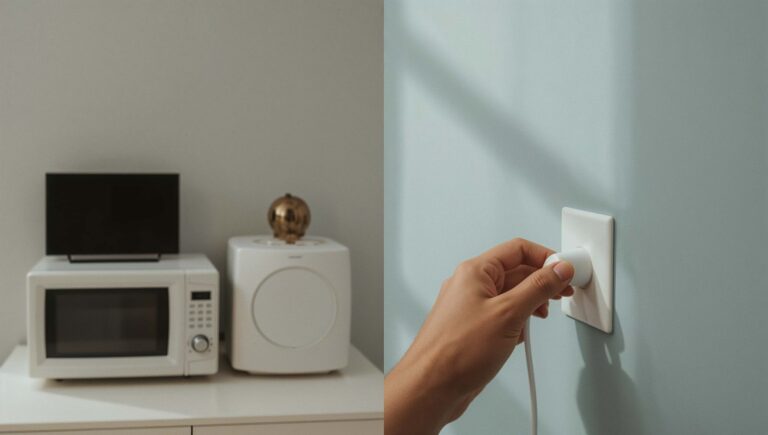
1. Unplug the refrigerator or turn off the power to avoid voltage issues.
2. Find the coils (back or bottom of the refrigerator).
3. Brush off dust with a special coil brush.
4. Vacuum up loose dirt.
5. Make sure it’s dry before plugging it back in to prevent risk.
Cleaning can save up to 30% on energy and help your refrigerator last longer in the hot climate.
Checking Door Seals
The rubber seal on your refrigerator door keeps cold air in. Heat can make it crack or wear out, letting warm air sneak inside and affect subcooling. Test it by closing a dollar bill in the door—if it slides out easily, the seal is bad. Clean the seal with soapy water every few months and rub a little petroleum jelly on it to keep it soft, reducing risk of failure.
Smart Ways to Use Your Fridge in Heat
Stocking Your Fridge
A refrigerator that’s about 70-80% full works best to maintain a cooler environment. Too empty, and it doesn’t hold cold well. Too full, and airflow can’t move around, impacting efficiency. Don’t put hot food straight in—let it cool first. Keep things you use often near the front of the door so you don’t leave it open long, avoiding extra heat exposure.
Using Smart Technology
Some new refrigerators have a smart thermostat. They can adjust how they cool based on the temperature or how often you open the door. They can even tell you if something’s wrong, saving energy and keeping food safe from spoilage or reduced shelf life in the Texas climate.
Ice and Water Systems
In hot weather, making ice takes more energy because the incoming water is warmer. Try not to make too much ice during the hottest parts of the day, and keep the freezer at 0°F to help avoid frost buildup and maintain efficiency, supporting energy conservation.
Fixing Problems Caused by Heat
Checking Temperature
Use a thermometer to make sure your refrigerator is staying cold enough (35-38°F for the fridge, 0°F for the freezer) despite the heat. If some spots are warmer than others, there might be a problem with airflow or subcooling. Look for things like water drops on the outside, weird noises from the compressor, or food going bad due to improper temperature.
Power Problems
During Texas heat wave conditions, the electric grid can have issues, and low voltage can hurt your refrigerator. If the lights dim when the compressor turns on, there might be a problem, increasing the risk of failure. Use a surge protector to keep your refrigerator safe and maintain its efficiency.
When to Call for Help
If your refrigerator won’t stay at the right temperature, makes odd sounds from the compressor, or you see leaks of refrigerant, call a refrigerator repair person. In Grand Prairie, repair shops know how Texas heat messes with refrigeration systems and can fix things fast to avoid further failure.
Planning for the Future
Picking a Heat-Tough Fridge
If you need a new refrigerator, get one made for hot places like Texas. Look for good insulation, big condenser (heat transfer) coils, and energy-saving labels like Energy Star. These refrigerators handle heat better and support efficient energy use in a challenging climate.
Is a New Fridge Worth It?
If your old refrigerator struggles in the heat, it might cost more to keep running than to buy a new one with better efficiency. A new, efficient refrigerator can save money on energy and repairs in just a few years, preventing frequent failure.
Getting Ready for Each Season
Spring (March-April): Clean condenser (heat transfer) coils, check temperature settings with a thermometer, and get ready for heat.
Summer (May-September): Watch the temperature, clean coils to avoid dust, and don’t open the door too much to limit heat exposure.
Fall (October-November): Check for damage from summer heat wave conditions and do big cleaning to maintain efficiency.
Winter (December-February): Fix anything major with your refrigerator or heating, ventilation, and air conditioning system and plan for next summer’s heat.
Bigger Ideas: Adapting to Heat
As Texas keeps getting hotter, you need to think about your whole home, not just your refrigerator. Better insulation, window shades, and good airflow with a ceiling fan can help all your home appliance items. Working on everything together saves more energy than just fixing one thing, promoting energy conservation in this tough climate.
Common Questions
How much more energy does my fridge use in Texas heat?
It can use 25-50% more energy. For every degree over 70°F room temperature, it uses about 2.5% more power. In a 90°F kitchen, that’s a lot more for your refrigerator!
Should I change my fridge temperature in summer?
No, keep it at 35-38°F for the refrigerator and 0°F for the freezer despite the heat. Changing the temperature won’t help much and could make food unsafe, impacting shelf life.
How often should I clean the coils in Texas?
Every 3 months, or every month in summer, to avoid dust buildup. Heat and the Texas climate make the condenser (heat transfer) coils dirty fast, reducing efficiency.
Can a ceiling fan help my fridge?
Yes, a ceiling fan on the ceiling can cool your kitchen by 4-6°F, making your refrigerator use less energy and improving energy efficiency.
When should I replace my fridge because of heat damage?
If repairs for your refrigerator cost more than half of a new one, or if it’s over 10 years old and struggling with heat and failure, it’s time to think about a new, more efficient refrigerator.
Beating Texas Heat with Your Refrigerator
Texas heat is tough on your refrigerator, but you can help it stay strong. From Grand Prairie to Dallas, everyone deals with this challenging climate. Clean your refrigerator’s condenser (heat transfer) coils to avoid dust, put it in a good spot in your kitchen for better airflow, and fix problems like improper subcooling early to save energy and keep food fresh, ensuring a longer shelf life.
Your refrigerator works with other things in your home, like air conditioning, heating, ventilation, and air conditioning (HVAC) systems, and a ceiling fan. Use them together to stay at a cooler temperature. As Texas summers get hotter with frequent heat wave events, taking care of your refrigerator and managing voltage issues isn’t just nice—it’s a must to prevent failure. With the right steps, your refrigerator can keep going, even in the worst heat, while keeping your bills low, preventing frost issues, and keeping food safe with proper refrigeration.