Those cloudy halos on your gleaming stainless steel aren’t dirt, they’re mineral fingerprints from hard water. This guide explains what water spots are and why they appear on stainless steel appliances. You’ll learn what causes water spots, how hard water minerals behave, and everyday habits that create streaks, plus practical quick fixes and step-by-step methods like vinegar and water, rubbing alcohol, and safe DIY cleaners. We will cover routine maintenance, microfiber cloths, polishing options, and safety tips to keep your appliances looking their best.
Key Takeaways
- Water spots on stainless steel come mainly from mineral residues in hard water, particularly calcium and magnesium, which crystallize as water dries and show up more on brushed finishes.
- Daily cleaning habits matter as much as mineral control: rinse with plain water, dry immediately, and use a clean microfiber cloth to prevent films and streaks.
- When spots appear, start with a gentle vinegar and water solution, apply in small sections, wipe along the grain, rinse, and dry, testing on a hidden area first to avoid damage.
- For stubborn spots, rubbing alcohol can help dissolve oils and mineral films, but apply sparingly, wipe with the grain, rinse well, and ensure the area is fully dry to prevent residue.
- Choose cleaners designed for stainless steel, avoid abrasive powders and heavy waxes, reserve baking soda paste for light spots, and maintain with routine polishing or oils to keep a lasting shine.
What Causes Water Spots on Stainless Steel Appliances?
I start by explaining what water spots are and why they show up on stainless steel. When you see a cloudy ring or a speckled sheen, it is usually mineral residue left behind after water evaporates. The main culprits are minerals like calcium and magnesium dissolved in your tap water. As the water dries, these minerals crystallize and bond to the stainless steel surface, creating a temporary stain that can look like a spot or haze. The finish you have on your appliance also matters. Brushed or directional finishes tend to show water marks more clearly than a mirror finish because the micro texture catches light differently.
Another factor is how long water sits on the surface. A quick wipe after cooking, washing, or refilling a water dispenser helps, while a slow drying process gives minerals more time to settle in. Temperature, air flow, and humidity affect drying in the same way. If you live in an area with hard water or your appliance sits near a humid kitchen window, spots will appear more often.
Keeping this in mind helps you choose the right approach. You want a method that removes the mineral film without scratching the surface or leaving new residue behind. In the sections that follow, I walk through practical fixes and everyday habits that keep stainless steel looking polished rather than dull.
Hard Water Minerals
Hard water minerals are not a sign of dirty dishes or bad cleaning habits. They are simply minerals dissolved in your water supply. Calcium and magnesium are the usual suspects, and they can form a crystalline film on stainless steel when the water evaporates. The result is a faint haze or visible spots that can persist even after you wipe the surface. This is especially noticeable on brushed finishes, where the grain catches the minerals more readily.
Testing your water can help you understand the extent of the issue. A basic home test kit can reveal mineral content and tell you if a water softener is in use somewhere in the system. In areas where hardness remains high, expect mineral deposits to reappear after cleaning if you do not address the root cause. The good news is that most mineral spots respond well to gentle cleaners and a proper rinse, without the need for harsh scrubbing.
Understanding the mineral source helps you choose the right product. Avoid abrasive powders that can scratch delicate finishes. Start with a mild cleaner or a vinegar solution and finish with a thorough rinse and dry. In the next section, I cover everyday factors that cause streaks and spots beyond minerals, so you can prevent them from forming in the first place.
Everyday Factors and Streaks
Even when mineral buildup is under control, everyday habits can create streaks that look like water spots. Soap residues, cooking oils, and fingerprints can leave a film on stainless steel. When you wipe dry with a cloth that has lint or cleaning residue, you deposit a fine film that dries unevenly, creating streaks along the surface. The angle of lighting also matters; what looks clean in one light may reveal smudges in another.
Another common culprit is the timing of cleaning. If you wipe with a damp cloth and let the surface air dry, you may push traces of residue into the surface rather than lifting them away. Conversely, letting a cleaning solution sit for too long can leave a film that dries into a spot. Finally, the kitchen environment matters. Steam from cooking, condensation on cool appliances, and the proximity to a window can all increase the visibility of spots. The good news is that small routine changes make a big difference.
Adopting a habit of rinsing with plain water, drying immediately, and using a clean microfiber cloth can dramatically improve the look of stainless steel. In the next section I outline quick fixes you can use when spots do form, so you can restore that showroom shine with confidence.
Quick Fixes to Remove Water Spots

When spots appear, my first instinct is to try a gentle cleansing method that dissolves mineral deposits without risking the surface. Quick fixes are about smart chemistry and proper technique. The goal is to break the bond between the mineral film and the metal so you can lift residues cleanly and evenly. In practice you can start with everyday staples that are safe on stainless steel when used correctly.
Before you reach for stronger cleaners, test any method on a small, inconspicuous area. If the finish looks dull, discolors, or feels rough, stop and switch to a different approach. The aim is to restore shine without micro-scratches. With that in mind there are two reliable quick fixes I turn to, followed by routine maintenance that helps prevent spots from returning.
In the two sections that follow you will find step by step guidance for two popular quick fixes. Each method is simple, quick, and safe for your stainless steel if you follow the instructions carefully.
Vinegar and Water: Step-by-step
One of my go-to quick fixes is a simple vinegar and water solution. The acidity helps dissolve mineral buildup without harsh abrasives. The key is to dilute properly and avoid letting the solution sit too long on any glossy area. When used correctly it is effective on both brushed and mirror finishes and leaves behind a neutral odor that quickly dissipates.
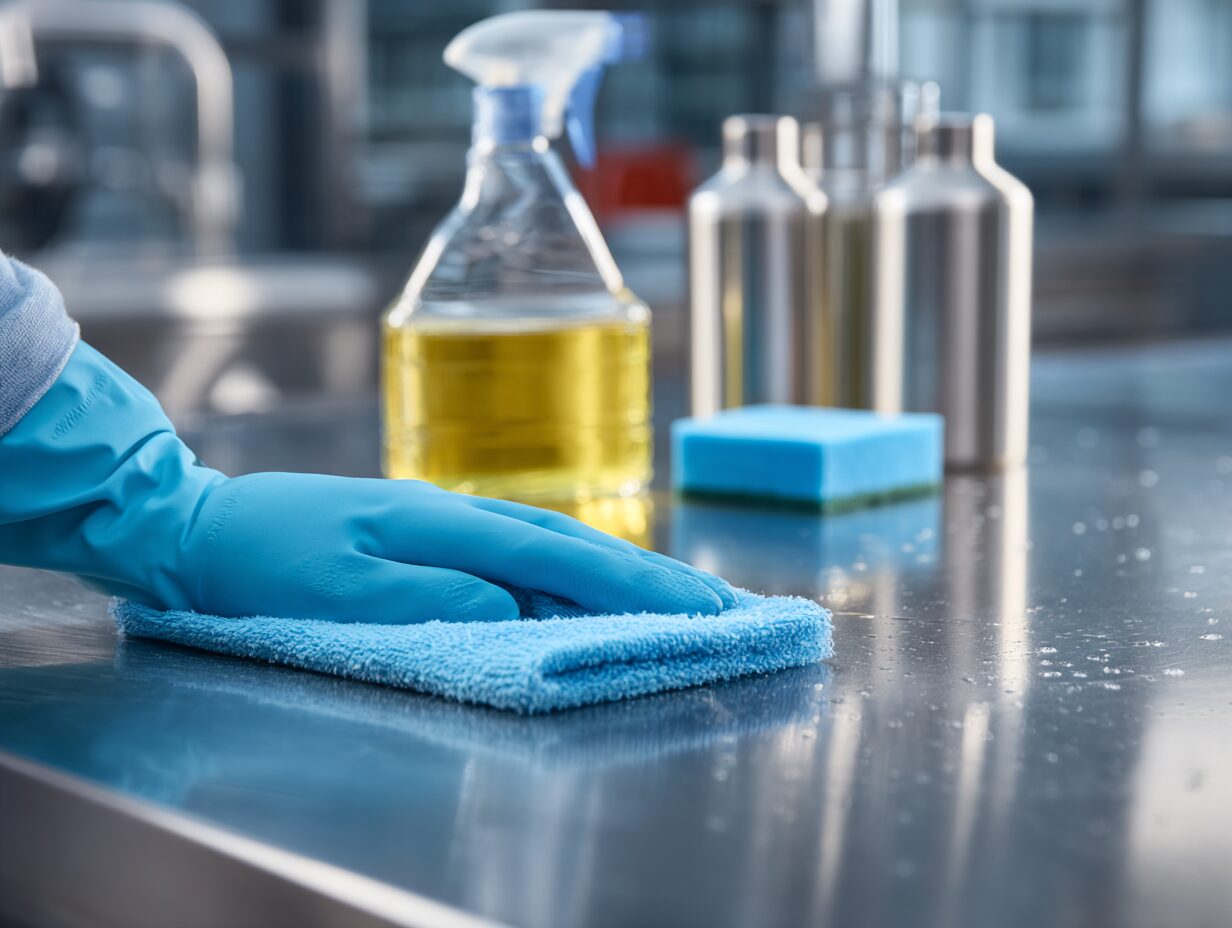
To maximize results I keep the mixture ready in a spray bottle and work in small sections. After spraying, I wipe with a clean microfiber cloth using gentle, overlapping strokes that follow the grain. Rinse with a clean damp cloth to remove any vinegar residue and finish by drying completely with a second cloth. If you see slight streaks after drying, a quick pass with a dry cloth usually resolves them.
With practice you will learn to apply just enough solution to dampen the surface, avoiding pooling. The result should be a uniform sheen that reflects light evenly and minimizes the appearance of water spots.
Rubbing Alcohol for Stubborn Spots
Rubbing alcohol is another effective option for stubborn spots that resist vinegar and water. It helps dissolve oils and mineral films without harsh fumes. Use it sparingly and test first on a small area to ensure it does not affect the finish. Isopropyl alcohol evaporates quickly, which reduces the chance of streaks if you wipe promptly and thoroughly.
Apply a small amount to a clean microfiber cloth and wipe in the direction of the grain. Avoid draping the cloth over metal edges or control panels where liquid can seep into seams. After lifting the residue, rinse with a damp cloth and dry with a fresh microfiber towel. In many cases this method finishes the job where mineral films stubbornly cling to the surface.
Always ensure the area is dry and free of any alcohol residue before use. This simple precaution helps protect the surface while keeping it looking polished rather than dull.
Everyday Cleaning Techniques for a Shine
Maintaining a bright, streak-free surface is about routine, not just occasional fixes. I rely on simple habits that reduce the formation of water spots and keep stainless steel looking its best. The core ideas are to use the right tools, clean in the correct direction, and dry thoroughly after every wipe. By building these steps into daily routines, you will see less build up and fewer spots over time.
Beyond technique, choosing the right products matters. Gentle cleaners that are specifically designed for stainless steel help prevent micro scratches and film formation. Avoid cleaners with heavy wax, silicone, or abrasive particles that can leave a cloudy film. The goal is to lift residues, not smear them around. With consistent practice, you will notice a clearer, more reflective surface that holds its shine longer.
Finally, think about the environment. Keep kitchen windows closed during heavy sun or high heat hours to reduce rapid drying that can leave streaks. A calm, controlled wipe down after cooking or washing yields the best long-term results and makes subsequent cleaning easier.
Microfiber Cloths: Tips and Tricks
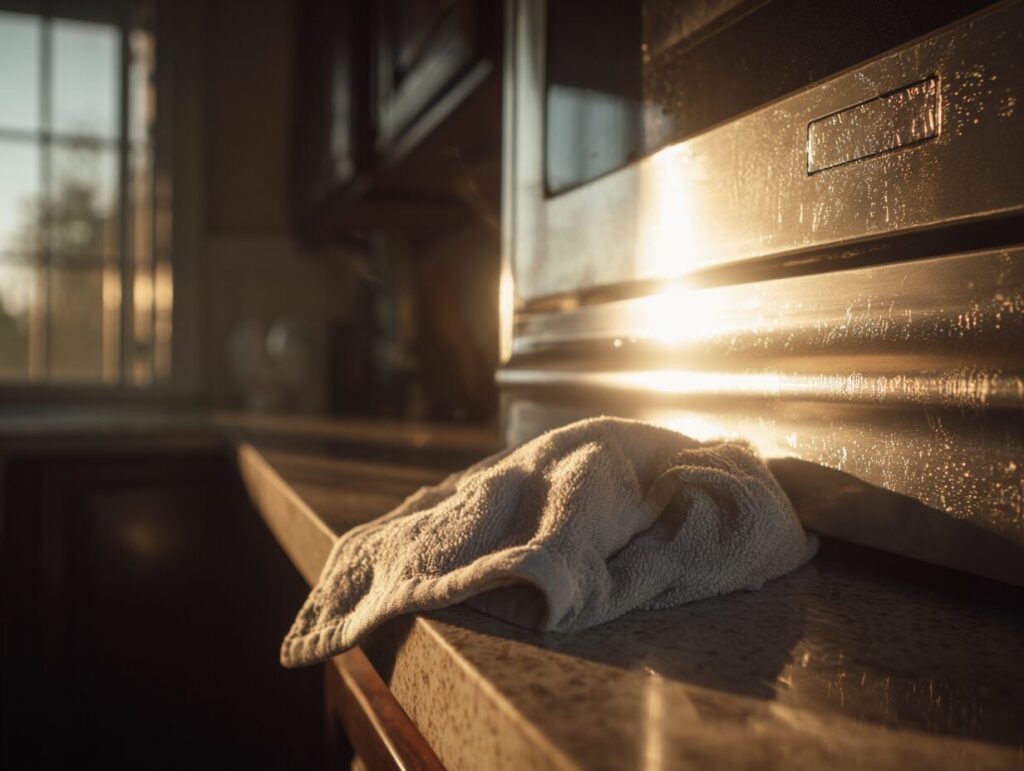
Microfiber cloths are the workhorse of stainless steel cleaning. Their tiny fibers trap dust and residue without scratching the surface. For best results, use new or freshly laundered cloths that are free of lint and fabric softeners, which can leave a film. Wipe in the direction of the grain when possible and use light, even pressure to avoid pushing deposits into the surface.
When clothes become damp, switch to a dry section or a fresh cloth to prevent smearing. Launder microfiber separately from other fabrics to avoid transferring lint. If you notice any lint on the surface after cleaning, a quick pass with a dry microfiber cloth usually takes care of it. These small habits make a big difference over time.
Regular care also means inspecting clothes for wear. When fibers begin to shed, replace the cloths to avoid leaving fibers behind on the finish. The right cloth and technique are the simplest path to a lasting shine.
Polishing Methods: Oils Vs. Commercial Cleaners
Polishing stainless steel can be done with natural oils or with commercial polish products. Natural oils, such as mineral oil, can leave a warm glow and provide a protective layer. Use a tiny amount on a microfiber cloth and buff in the direction of the grain until the surface gleams. Be mindful of residue and reapply only as needed to avoid a slick appearance.
Commercial cleaners formulated for stainless steel often combine mild abrasives with lubricants to lift films and improve shine. Follow the product directions and test on an inconspicuous area first. Avoid sprays on control panels or electronic surfaces and never apply directly to vents or gaps where residue could travel into the mechanisms. The right polish brings out the finish without dulling it or creating buildup over time.
In general, less is more. Clean, rinse, and buff frequently to maintain a professional look without the risk of harming the finish.
Safe DIY Cleaners and Precautions
Safe DIY cleaners can be quite effective when used correctly. The core rule is to avoid mixing cleaners that create harmful fumes or residues. I favour mixtures that are gentle on metal yet strong enough to lift mineral films. Think of cleaning as a two step dance: break up the film, then wipe away the residues with a clean cloth and dry surface. This approach minimizes risk and preserves the stainless look you want.
Always rinse well after using any cleaner and dry thoroughly. If you ever notice unusual discoloration or a rough texture after cleaning, stop and reassess the method. Stainless steel responds best to calm, consistent care rather than aggressive scrubbing or harsh solvents. By choosing the right cleaners and applying them carefully, you can avoid common issues like dulling or streaks.
One practical mindset is to keep a dedicated set of tools for stainless steel care. A clean microfiber cloth, a spray bottle with a mild cleaner, and a separate towel for drying are all you need to maintain brilliance with minimal effort.
Vinegar + Dish Soap: Safe Cleaning Combo
Another reliable DIY option is combining vinegar with a gentle dish soap for certain spots and films. The mild soap helps lift grease while the vinegar tackles mineral deposits. Use this mix sparingly and always rinse well to prevent any soap film from forming, which can make surfaces look cloudy over time. Never mix chlorine bleach with vinegar as this can release dangerous fumes.
Test any new combination on an inconspicuous area first and apply with a soft cloth using gentle strokes. Rinse thoroughly and dry completely. When used properly, this combo provides a practical balance between effectiveness and safety for everyday stainless steel maintenance.
A final note on safety is to avoid applying any acidic cleaner to electronic controls or vent areas. Focus cleansers on the metal surface itself and keep liquids away from seams and joints to prevent infiltration of the interior components.
Baking Soda Paste: Use and Limitations
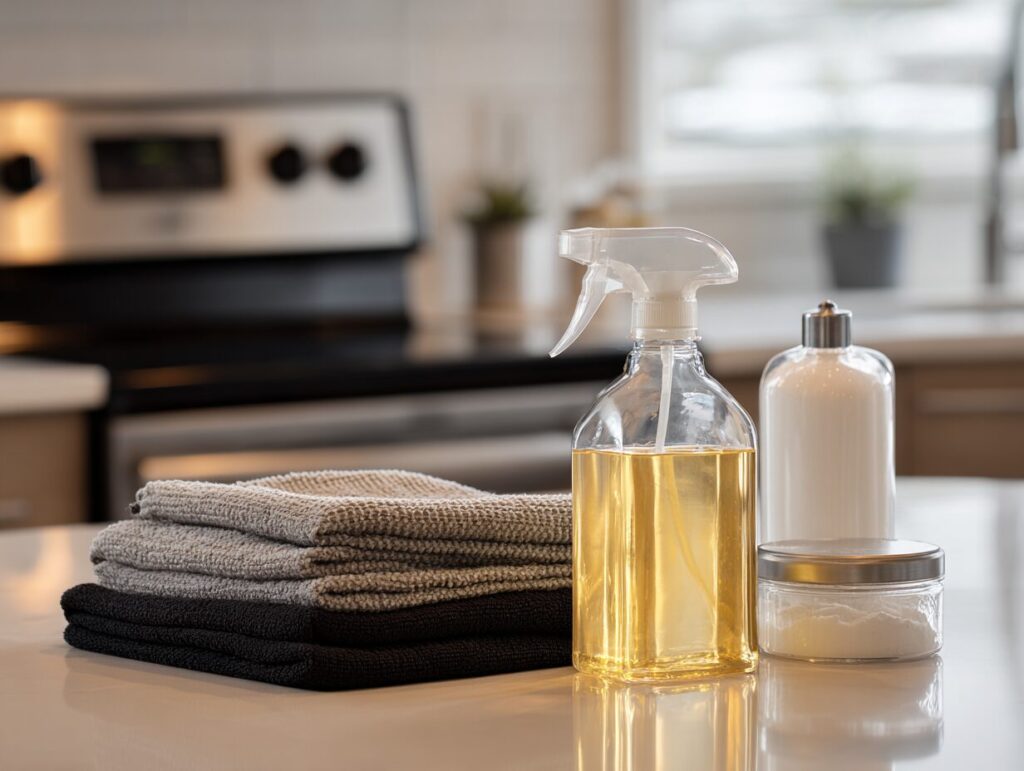
Baking soda paste is a gentle abrasive option that can help lift stubborn spots without scratching. Mix a small amount of baking soda with water to form a paste and apply with a soft cloth. Gently buff in the direction of the grain and follow with a clean rinse and dry. This method works best on light mineral films and when used sparingly.
However, baking soda is not ideal for every finish. It can leave a tiny residue if not rinsed thoroughly, and on some matte finishes it may leave a subtle dullness if overused. Always test the paste on a hidden area first and avoid aggressive scrubbing. When used with care, it is a helpful tool in your cleaning arsenal.
In practice, reserve baking soda paste for minor touch-ups and persistent spots that do not respond to gentler methods. For routine maintenance, stick to milder solutions and a clean microfiber approach to keep the shine intact.
Frequently Asked Questions
Conclusion
Water spots on stainless steel are mineral fingerprints left by evaporating hard water, with calcium and magnesium doing most of the work. A simple daily routine, rinse, dry promptly, and wipe with a clean microfiber cloth, keeps finishes looking bright, while gentle fixes like vinegar and water or a small amount of rubbing alcohol can lift stubborn spots without scratching. Start today, use the right tools and safe cleaners, test on a hidden area first, and you’ll enjoy a consistently polished surface that reflects a kitchen you’re proud of.