A noisy refrigerator usually means there’s an issue with the compressor, evaporator fan, condenser fan, or ice maker. Common sounds include buzzing (often the compressor), rattling (loose drain pan), or grinding (ice buildup or fan problems). Most noise issues can be fixed by cleaning condenser coils, leveling the appliance, or replacing worn parts. Always unplug your refrigerator before attempting repairs, and call a professional for compressor issues.
Why Your Refrigerator Making Loud Noise (And How Steve Alden Appliances Can Help)
Is your fridge making strange sounds that keep you up at night? You’re not alone. A noisy refrigerator is one of the most common appliance problems homeowners face. The good news? Many loud noise issues can be diagnosed and fixed without replacing your entire refrigerator.
We’ve helped thousands of customers restore peace and quiet to their kitchens. Whether you’re near downtown landmarks or in the suburbs, our certified technicians understand that a properly working refrigerator shouldn’t sound like a freight train.
Common Causes of Refrigerator Noise
1. Compressor Problems: The Heart of Your Fridge
Your compressor is like the engine of your refrigerator – it pumps refrigerant through the system to keep everything cool. When a compressor starts to fail, it often makes a loud buzzing or humming noise. Think of it like an old car engine that’s working too hard.
What to look for:
The compressor may need professional repair since it involves high-voltage components and refrigerant handling. This isn’t a DIY job – refrigerant leaks require special equipment and environmental safety knowledge.
2. Evaporator Fan Issues: When Your Freezer Gets Noisy
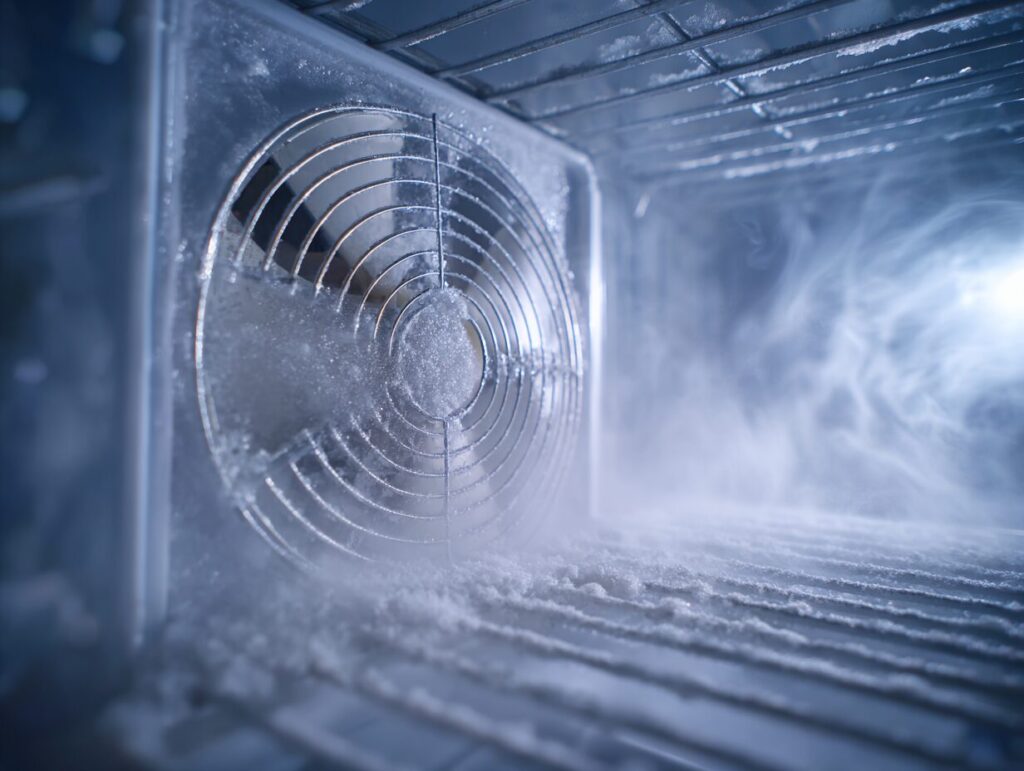
The evaporator fan is usually located at the back of the freezer section. Its job is to move cold air from the freezer into your refrigerator and freezer compartments. When this fan gets dirty or starts to malfunction, you’ll hear grinding or squealing sounds.
Signs of evaporator fan problems:
To inspect the evaporator fan motor, you’ll need to remove the panel inside the freezer. If you see frost or ice, the defrost system might not be working properly.
3. Condenser Fan Making a Loud Noise
The condenser fan sits near the compressor at the back or bottom of your appliance. This fan helps remove heat from the condenser coils. When debris gets stuck or the motor starts to fail, you’ll hear rattling or grinding.
How to diagnose:
Regular cleaning prevents many noise-related issues and helps your refrigerator work efficiently, which can save money on your electric bill.
4. Ice Maker Troubles
Modern refrigerators with ice makers and water dispensers can develop their own set of noises. A faulty ice maker might buzz, click, or grind as it tries to make ice.
Common ice maker sounds:
Check if your water line is connected properly. Sometimes a loose connection causes the ice maker to work harder than it should.
5. Defrost Timer and Cycle Issues
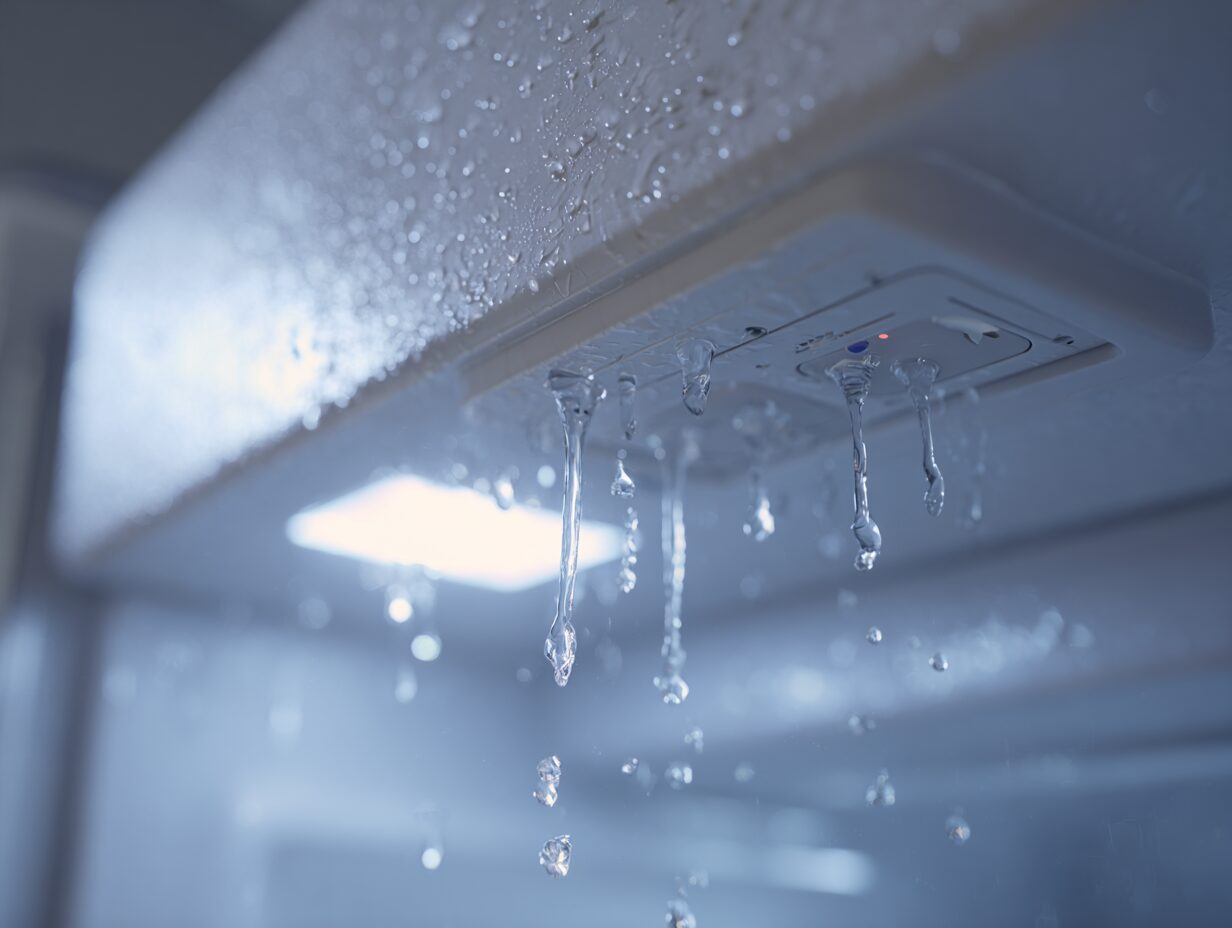
Your refrigerator goes through regular defrost cycles to prevent ice buildup. The defrost timer controls this process. When it starts to fail, you might hear clicking or buzzing sounds every few hours.
During a normal defrost cycle, some noise is expected – like dripping water or a slight hum. But if the noise persists or sounds unusual, the timer might need to be replaced.
6. Loose Drain Pan Creating a Rattle
That annoying rattle might just be a loose drain pan underneath your refrigerator. This pan collects water during the defrost cycle. Over time, the pan can shift and cause noise when the compressor vibrates.
Quick fix:
When to Call a Professional Appliance Repair Service
While some refrigerator noise problems are easy DIY fixes, others require professional help. Here’s when to call Steve Alden Appliances or your local appliance technician:
Call a pro when:
Professional technicians have the tools and expertise to diagnose and fix complex issues safely. They also know local regulations about refrigerant handling and disposal.
Preventing Noisy Refrigerator Problems
Prevention is always better (and cheaper) than repair. Here’s how to keep your fridge running quietly:
Regular Maintenance Tips
- Clean condenser coils every 6 months – Dirty coils cause the refrigerator to work harder, leading to more noise and higher energy bills
- Level your appliance – An uneven refrigerator creates vibration and amplifies noise
- Check door seals – Bad seals make the compressor run overtime
- Keep the area around your fridge clear – Your refrigerator needs room to breathe
- Don’t overfill – Too much food blocks air circulation
The Temperature Connection
Setting the right temperature helps prevent many problems. Your refrigerator should be between 37-40°F, and your freezer at 0°F. Wrong settings cause the compressor and fans to work harder, creating more noise.
Understanding Different Refrigerator Sounds
Not all refrigerator noises mean trouble. Here’s what’s normal and what’s not:
Normal sounds:
Warning sounds:
Step-by-Step Noise Troubleshooting Guide
When your refrigerator makes loud noise, follow these steps:
Step 1: Identify the Noise Location
Step 2: Safety First
Always unplug your refrigerator before any repair work. This prevents electrical hazards and protects you from injury.
Step 3: Basic Checks
Step 4: Component Inspection
Step 5: Clean What You Can
Step 6: Test and Monitor
Plug the refrigerator back in and listen. If the loud buzzing or other noise continues, it might be time to call for professional appliance repair.
Cost Considerations: Repair vs. Replace
Sometimes fixing a noisy refrigerator costs more than it’s worth. Consider these factors:
Repair makes sense when:
Replacement might be better if:
The Steve Alden Appliances Difference
Located in the heart of the community, Steve Alden Appliances has been the trusted name in home appliance repair for years. Our certified technicians know every refrigerator brand and model. We offer:
Whether you’re near the city center or in surrounding neighborhoods, we’re here to restore peace and quiet to your kitchen.
Environmental and Safety Considerations
Modern refrigerators use specific refrigerants that require careful handling. When a compressor fails or refrigerant leaks occur, proper disposal is crucial for environmental protection. Professional technicians follow EPA guidelines and local regulations to ensure safe refrigerant recovery and recycling.
Never attempt to fix refrigerant-related issues yourself. The investment in professional repair protects both your family’s safety and the environment.
Frequently Asked Questions
Why does my refrigerator make noise at night?
Refrigerators often seem louder at night because your house is quieter. However, if the noise is genuinely louder, it could be because the compressor runs more during off-peak hours when it’s trying to maintain temperature after frequent daytime door openings.
Can a noisy refrigerator be dangerous?
While most noises aren’t dangerous, electrical problems or refrigerant leaks can pose risks. If you smell chemicals, see sparks, or notice extreme heat from the compressor, unplug the appliance immediately and call a professional.
How much does it cost to fix a noisy refrigerator?
Costs vary depending on the culprit. Simple fixes like securing a drain pan might cost nothing. Fan replacement typically runs $100-300, while compressor repair can cost $500-1000. Always get a quote before proceeding with expensive repairs.
Why is my brand new refrigerator making noise?
New refrigerators need time to settle. Some noise during the first 24 hours is normal as the appliance reaches proper temperature. However, excessive noise might indicate shipping damage or improper installation. Check your warranty and contact customer service if concerned.
How do I know if my refrigerator compressor is bad?
Signs of a failing compressor include loud buzzing, the refrigerator running constantly without cooling properly, or the compressor feeling extremely hot. These issues require professional diagnosis since compressors involve high-voltage electricity and refrigerant.
Can I use my noisy refrigerator until it’s repaired?
Usually yes, unless you notice electrical problems, burning smells, or complete cooling failure. A noisy refrigerator might still keep food cold, but the underlying issue could worsen and lead to a complete breakdown or higher energy costs.
What’s the average lifespan of refrigerator components?
Regular maintenance extends these lifespans significantly.
Take Action Today
Don’t let a noisy refrigerator disrupt your home’s peace or drain your wallet through inefficient operation. Whether you need professional repair or just advice on maintenance, Steve Alden Appliances is here to help.
Remember: addressing refrigerator noise early prevents costly breakdowns and helps save money on energy bills. A well-maintained, quiet-running refrigerator is an investment in your home’s comfort and your family’s convenience.
For expert refrigerator repair service, contact Steve Alden Appliances today. We’ll diagnose the problem, provide honest recommendations, and restore quiet operation to your kitchen. Because at the end of the day, your refrigerator should keep your food cold – not keep you awake at night.