
Your washing machine smells bad because trapped moisture, detergent buildup, and organic residue create the perfect breeding ground for mold, mildew, and bacteria. The most common culprits are the rubber door gasket in front-loaders, clogged filters, and using too much detergent. Fix it by running monthly hot water cycles with vinegar, cleaning the door seal regularly, and leaving the washer door open between loads.
Nobody expects their clean clothes to smell like wet socks or mildew. Yet here you are, pulling “clean” laundry from your washer, and it smells worse than when it went in. As someone who’s serviced thousands of washing machines across the greater metro area near landmarks like the downtown business district and city park areas, I can tell you this: that bad smell coming from your washer isn’t just annoying—it’s telling you something needs attention.
At Steve Alden Appliances, we’ve helped countless homeowners tackle smelly washer problems. The good news? Most washing machine smell issues can be fixed without calling for appliance repair. Let me walk you through what’s really happening inside your machine and how to eliminate that stink for good.
Common Causes of Washing Machine Odors
The Door Gasket Problem (Especially in Front-Load Washing Machines)
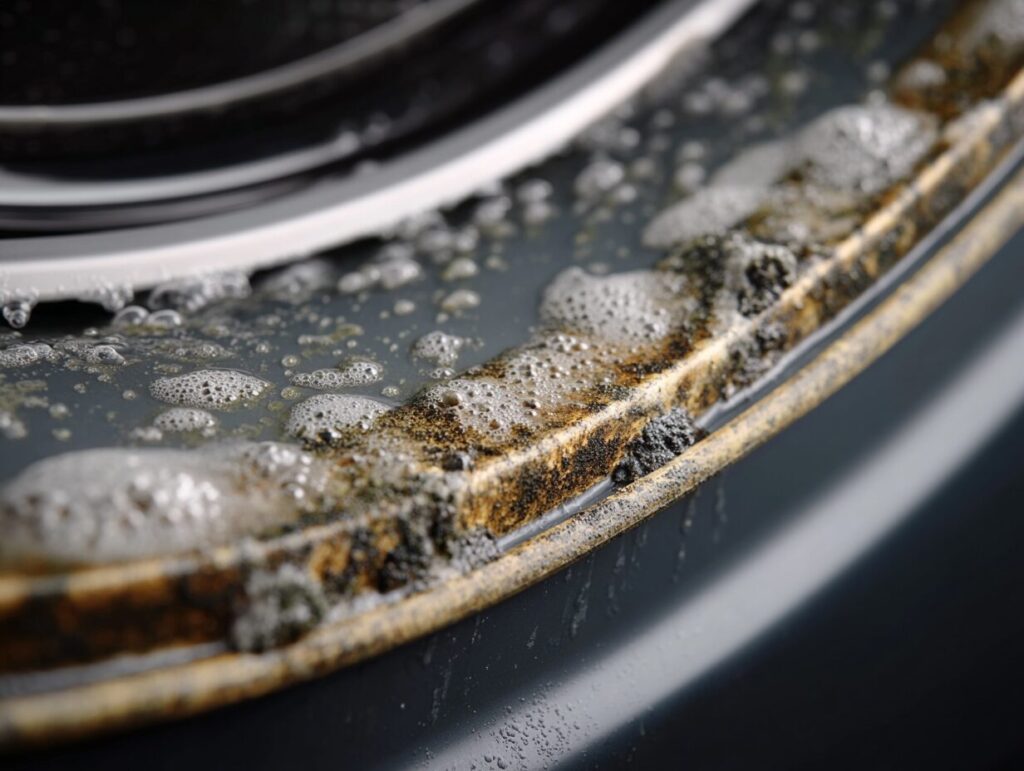
That rubber door seal around your front-loader? It’s odor enemy number one. Water, lint, and detergent residue get trapped in those folds after every wash cycle. Within days, this damp, dark crevice becomes a mold paradise. I’ve pulled everything from bobby pins to quarters out of these gaskets—all sitting in a pool of stagnant water that smells absolutely terrible.
The musty smell you’re noticing? That’s mold and mildew having a party in your machine. Front-load washing machines are especially prone to this because water naturally collects at the bottom of the door gasket due to gravity.
Detergent Buildup: When More Isn’t Better
Here’s something most people don’t realize: using too much detergent actually makes your washer smell worse, not better. Excess soap doesn’t rinse out completely, especially in cold water. This residue sticks to your machine’s drum walls and builds up in the dispenser drawer. Over time, it breaks down and starts to stink.
Fabric softener makes this problem worse. When you pour it directly into the drum or use too much in the dispenser, it leaves a filmy residue that bacteria love to eat. The result? Your clothes smell like mildew mixed with artificial flowers—not exactly fresh.
Why Low-Temperature Cycles Create Unpleasant Odors
I get it—you want to save energy and protect your clothes. But washing everything in cold water has a downside. Temperatures below 104°F don’t dissolve detergent completely or kill bacteria. All that organic matter from your dirty laundry? It stays in the machine, creating a breeding ground for the organisms that cause that unpleasant smell.
Think of it this way: you wouldn’t wash greasy dishes in cold water and expect them to get clean. Your washer needs hot water occasionally to flush out the gunk.
Clogged Filters and Drain Issues
Every washer has a pump filter that catches lint, coins, and small items before they damage the pump. When this filter gets clogged with debris, water can’t drain properly. That stagnant water smell you’re noticing? It’s coming from water sitting in your machine between washes.
Some homeowners don’t even know their washer has a filter that needs cleaning. In my experience servicing appliances near the riverside district and university area, about 70% of smell complaints involve a dirty pump filter that hasn’t been touched in years.
How to Clean a Smelly Washing Machine
The Monthly Maintenance Wash
Here’s my go-to method that works for both top loader and front-load models:
- Run an empty cycle on the hottest water setting your machine offers
- Add one cup of white vinegar to the drum (not the detergent dispenser)
- For extra cleaning power, add half a cup of baking soda directly to the drum
- Let the cycle run completely
This hot water and vinegar combination dissolves detergent buildup and kills mold spores. The vinegar and water solution is safe for all washer components and won’t damage your machine.
Deep-Cleaning the Door Gasket
For front loaders, this step is crucial:
- Pull back the rubber door seal to expose all the folds
- Mix equal parts water and vinegar in a spray bottle
- Spray the solution generously around the door gasket
- Scrub with an old toothbrush, paying attention to the bottom where water collects
- Wipe dry with a clean cloth
I recommend doing this weekly if you’ve been dealing with persistent odors. Once the smell is gone, monthly cleaning should keep it away.
Cleaning the Detergent Dispenser and Filter
Remove your detergent dispenser drawer completely (it usually pulls straight out with a firm tug). Soak it in hot water and vinegar for 30 minutes, then scrub away any residue. While it’s out, check the dispenser cavity for mold—it loves hiding there.
For the washing machine filter:
- Locate the access panel (usually at the front bottom of front-loaders)
- Place towels down—water will spill out
- Unscrew and remove the filter
- Clear out lint, coins, and debris
- Rinse under hot water
- Reinstall securely
Prevention: Keep Your Washer Smelling Fresh
Leave the Door Open Between Washes
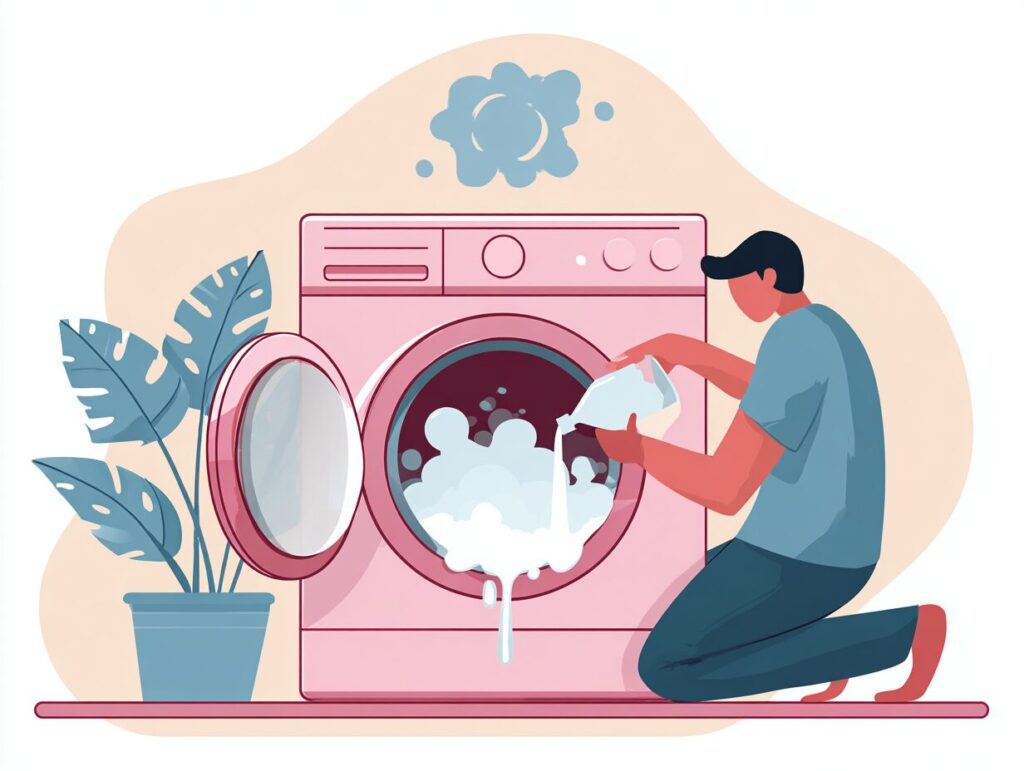
This is the simplest yet most effective prevention tip. Leaving the washer door open allows air to circulate and moisture to evaporate. No moisture means no mold growth. For homes near busy areas like the shopping district or medical center where space is tight, even cracking the door slightly helps.
Use the Right Amount of Detergent
More soap doesn’t equal cleaner clothes. Use high-efficiency (HE) detergent if you have a modern washer, and measure according to load size. A tablespoon or two is usually plenty for a normal load. Your clothes will actually get cleaner, and you’ll eliminate the detergent buildup that causes odors.
Run Regular Hot Water Cycles
Even if you prefer cold washing, run a hot cycle monthly. This helps dissolve residue and kill bacteria. Add towels or whites that can handle high water temperatures to make it practical.
Dry the Gasket After Each Load
Keep a towel handy in your laundry room. After removing clothes, wipe down the door gasket and drum. This 30-second habit prevents most smell issues from developing.
When to Call for Professional Appliance Repair
Sometimes that foul smell indicates a bigger problem. Call us at Steve Alden Appliances if:
- The smell persists after thorough cleaning
- You notice water backing up into the machine
- There’s visible mold growth you can’t remove
- Your washer isn’t draining properly
- You hear unusual noises during the wash cycle
A rotten egg smell coming from your washer often means bacteria buildup in the drain system—this typically needs professional cleaning. Similarly, if cleaning doesn’t eliminate the smell, there might be hidden mold in places you can’t reach.
Special Considerations for Different Washer Types
Front-Load Washing Machines
Front loaders are more prone to odor issues because of their design. The horizontal drum holds water at the bottom, and the door seal creates a perfect trap for moisture. These machines need extra attention—always wipe the gasket dry and leave the door open.
Top Loader Machines
While top loaders have fewer odor problems, they’re not immune. The main issue is usually fabric softener buildup in the dispenser. If your top loader still smells after cleaning, check under the agitator—debris loves hiding there.
Natural Solutions That Really Work
Vinegar: Your Washer’s Best Friend
White vinegar is my top recommendation for eliminating washing machine odors. It’s safe, cheap, and effective. Use it monthly in a maintenance wash, and add a quarter cup to your regular loads as a natural fabric softener that also prevents buildup.
Baking Soda Power
Baking soda neutralizes odors and helps scrub away residue. Sprinkle half a cup in the drum before running a hot cycle. It’s especially effective for that stagnant water smell.
When to Use Chlorine Bleach
For severe mold problems in front-loaders, chlorine bleach can help. Run an empty hot cycle with a quarter cup of bleach every 3-6 months. Always follow with a plain hot water cycle to rinse out bleach residue. Never mix bleach with vinegar—this creates dangerous fumes.
FAQs About Smelly Washers
Why do my clothes smell like mildew even after washing?
If your clothes smell like mildew after washing, your machine has mold or bacterial growth that’s transferring to your laundry. The smell is coming from your washer, not your clothes. Follow the cleaning steps above, and the problem should resolve.
How often should I clean my washing machine?
Run a maintenance wash monthly, clean the gasket weekly if you have a front-loader, and clean the filter every 2-3 months. This routine prevents odors from developing.
Can I use washing machine cleaner tablets instead of vinegar?
Commercial washing machine cleaner tablets work well, but they’re more expensive than vinegar. Both do the same job—dissolving residue and killing odor-causing organisms. I recommend vinegar for regular maintenance and commercial cleaners for deep cleaning.
Why does my washer smell worse after cleaning?
Sometimes cleaning loosens built-up gunk that was hidden in your machine. Run 2-3 additional hot water cycles to flush everything out. If the smell persists, you may need professional machine cleaning.
Is it safe to leave the washer door open with kids or pets?
Safety first—if you have small children or curious pets, only leave the door open when you’re in the laundry room. Otherwise, crack it just enough for airflow, or open it fully when the laundry area is secured.
The Bottom Line
A smelly washer isn’t just unpleasant—it’s unhygienic and can damage your machine over time. The good news is that most washing machine smell problems are completely preventable with simple maintenance. Start with a thorough cleaning using the methods I’ve outlined, then stick to a regular maintenance routine.
Remember: moisture and residue cause odors. Keep your washer dry between uses, use the right amount of detergent, and run regular hot cycles. These simple steps will keep your machine fresh and your clothes actually clean.
If you’re dealing with persistent odors despite following these steps, don’t hesitate to call us at Steve Alden Appliances. We service all major brands throughout the metro area, from the historic district to the new developments near the airport. Sometimes, a professional deep clean or repair is the fastest way to solve the problem and get back to fresh, clean laundry.
Your washing machine should make your clothes smell better, not worse. With proper care and maintenance, it will—and that bad smell will be nothing but a distant, unpleasant memory.